Aluminium has become a core material in modern door and window manufacturing due to its strength, durability, and architectural flexibility. To meet growing demand and tighter project specifications, manufacturers rely on aluminium machining centers and advanced fabrication machinery designed for industrial-scale production.
Unlike PVC, aluminium processing requires higher structural rigidity, controlled machining forces, and stable multi-axis motion. This makes machining technology a critical factor in achieving consistent quality and predictable output.
The Role of Aluminium Machining Centers in Production
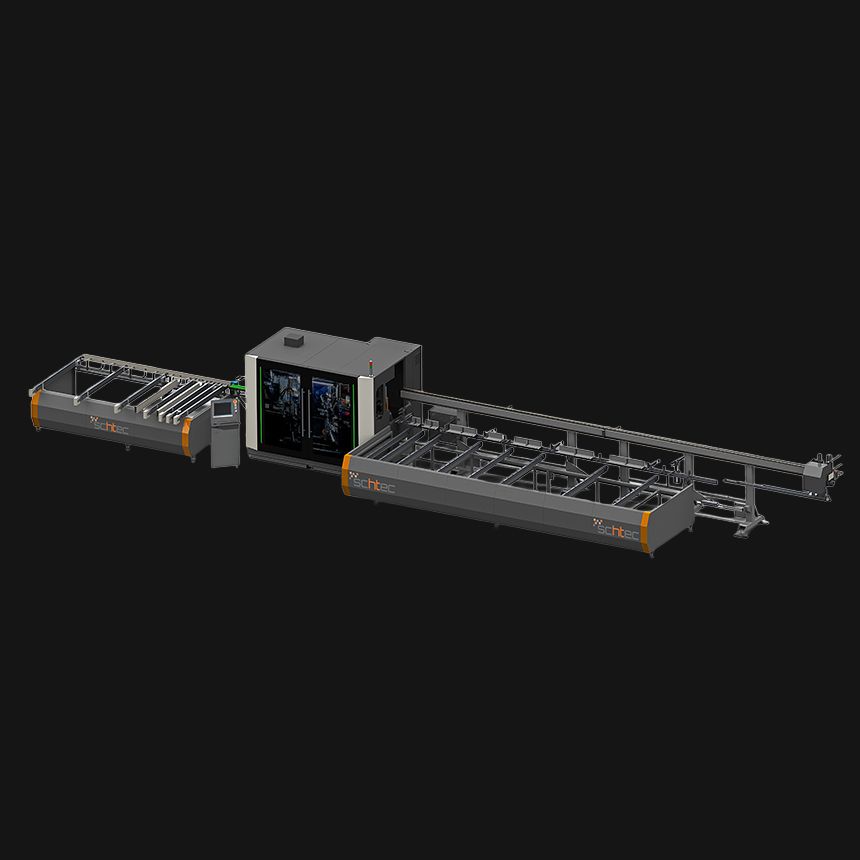
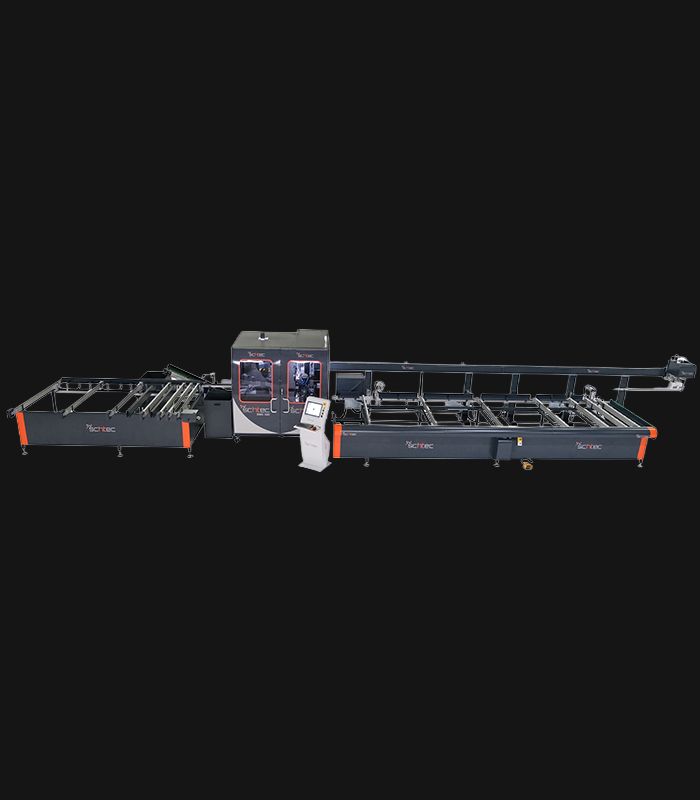
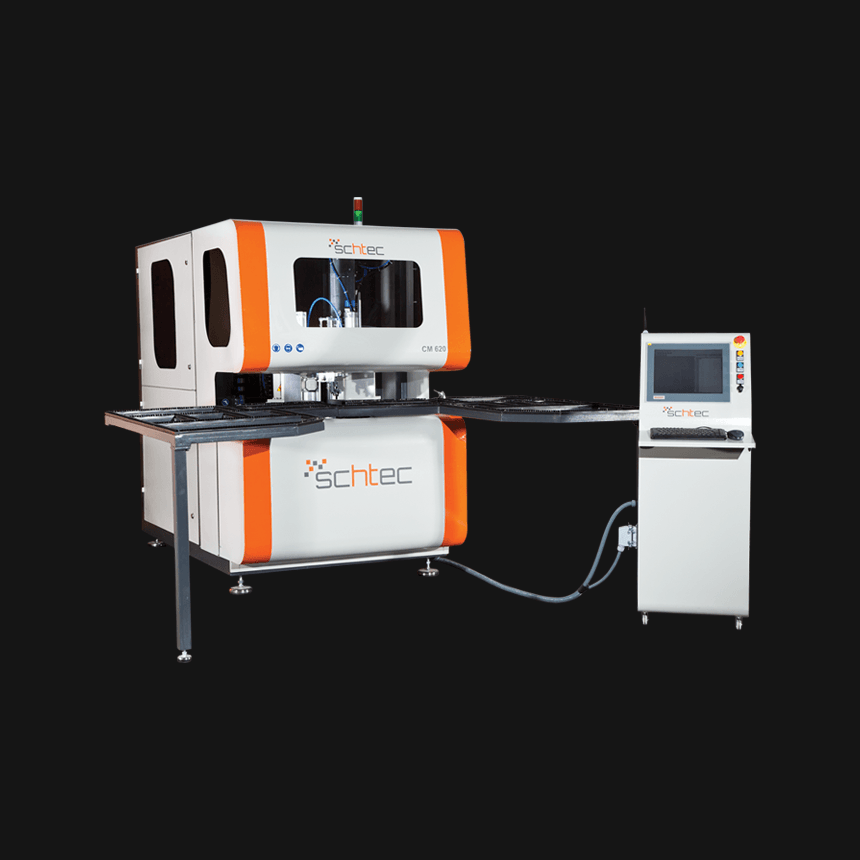
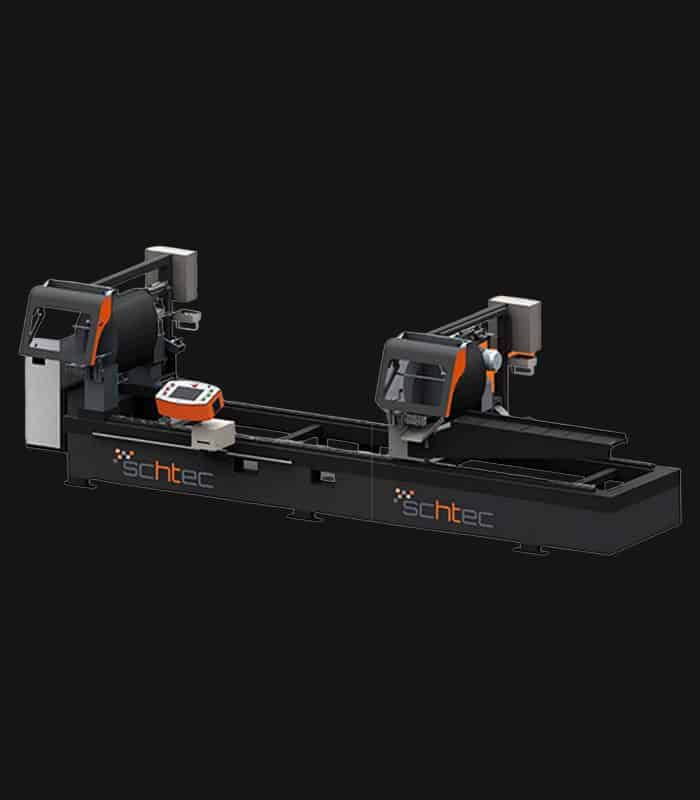
Aluminium machining centers integrate cutting, milling, drilling, and routing operations into a single automated workflow. By consolidating these processes, manufacturers reduce profile handling, minimize setup time, and ensure repeatable machining results across large production batches.
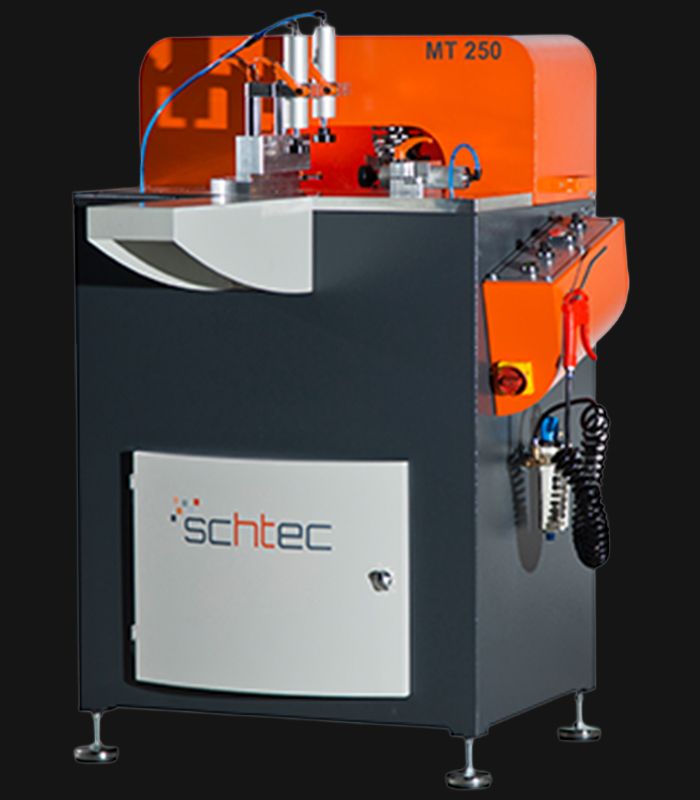
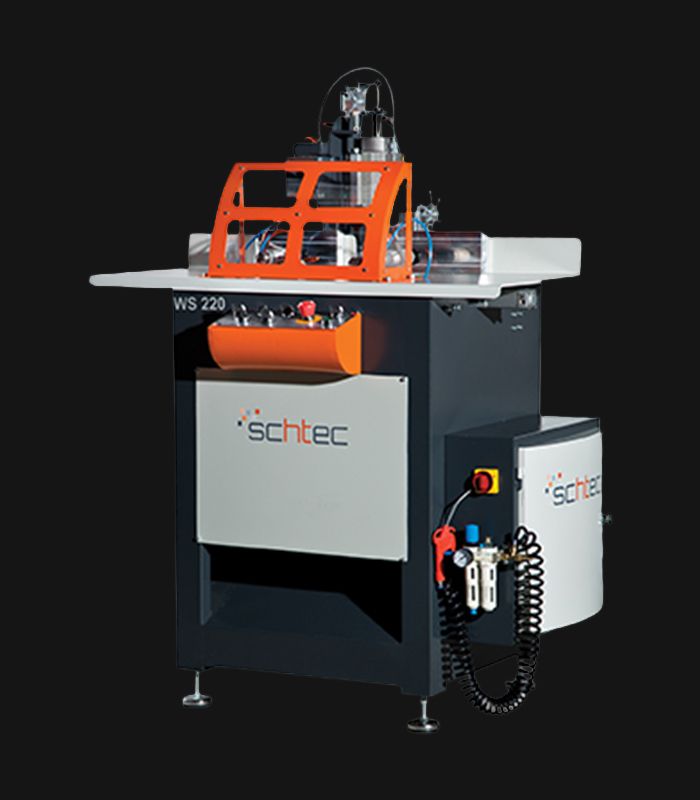
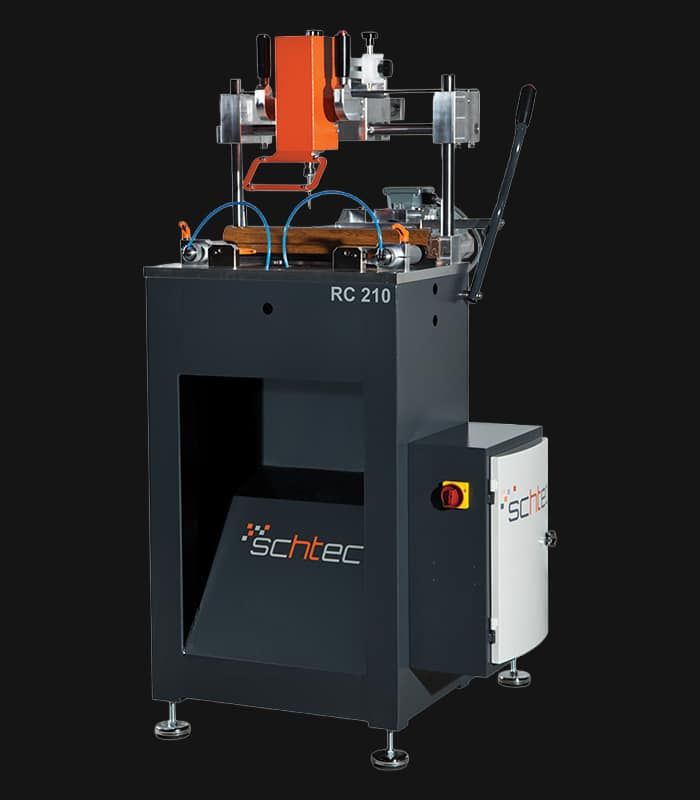
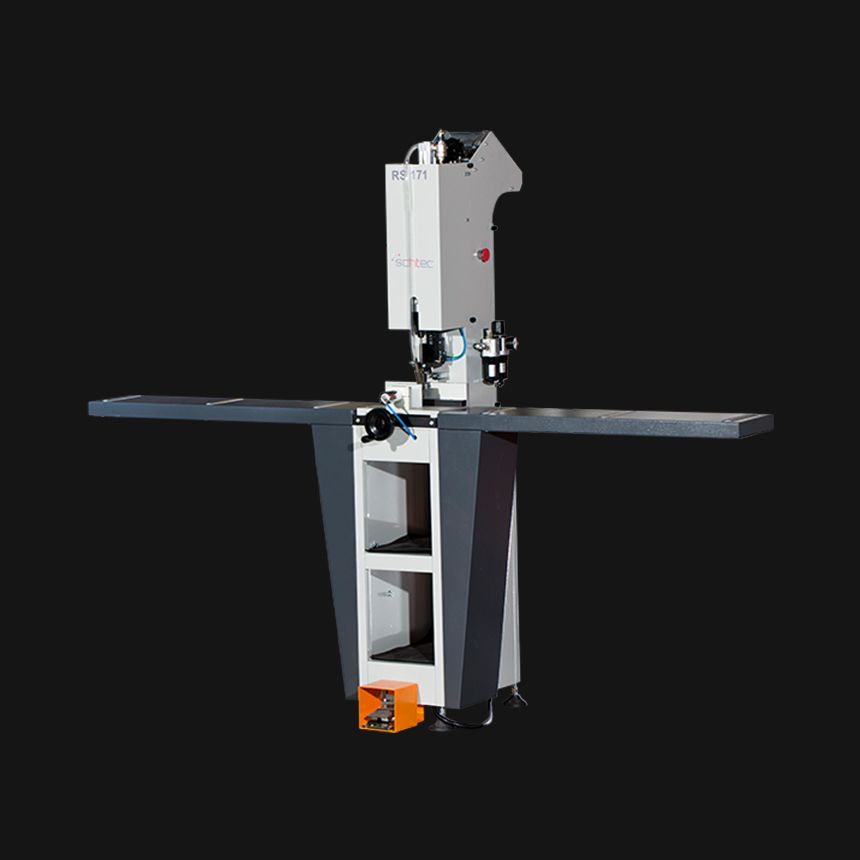
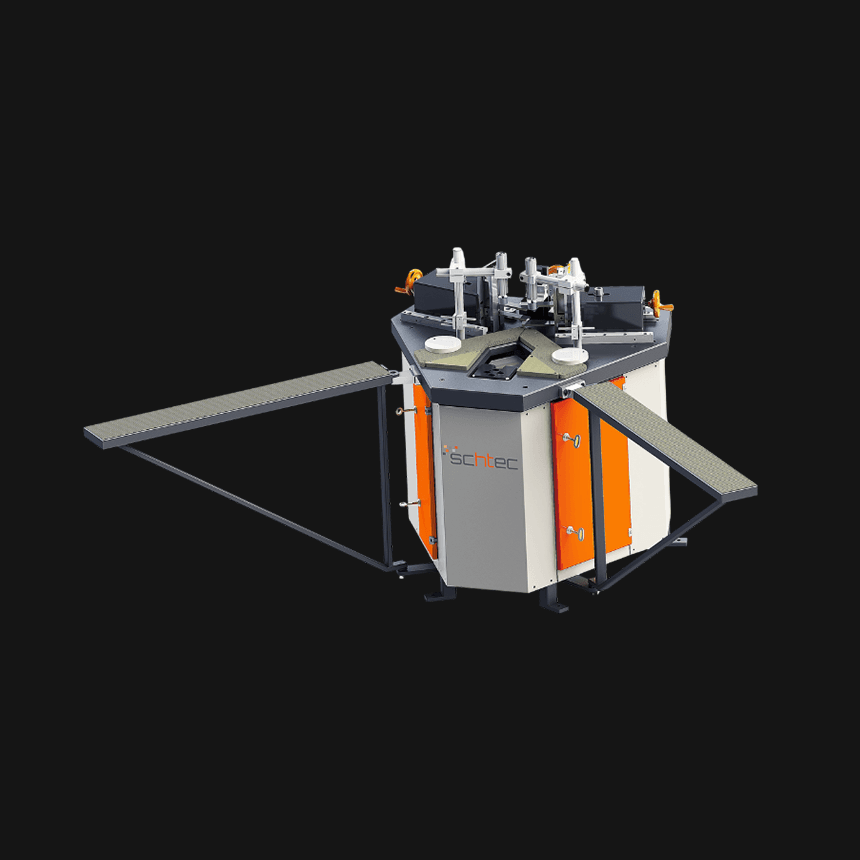
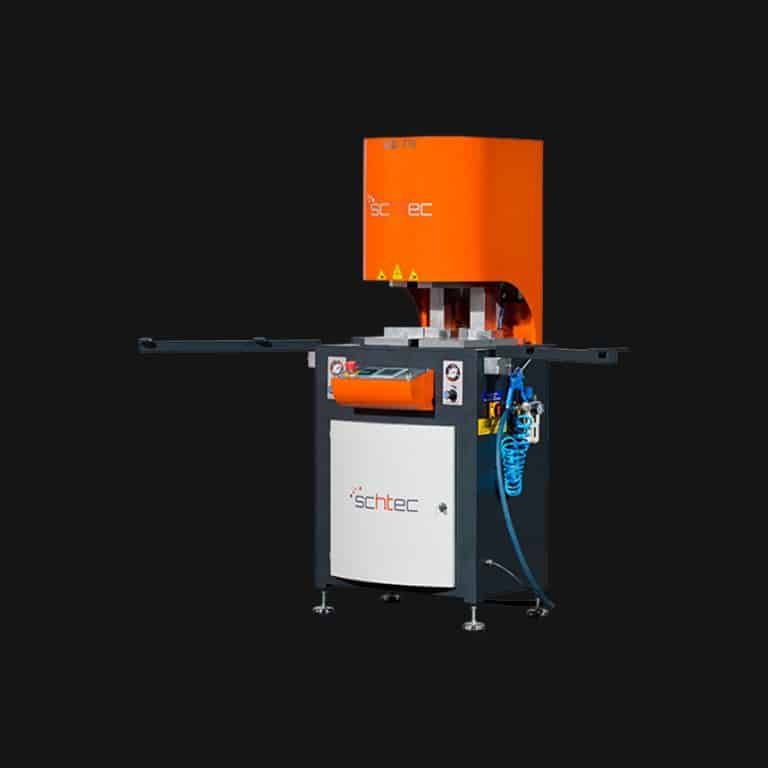
Schtec offers dedicated solutions within its aluminium machining centers portfolio, engineered for both standard window systems and complex architectural applications.
Fabrication Machinery for Aluminium Door and Window Systems
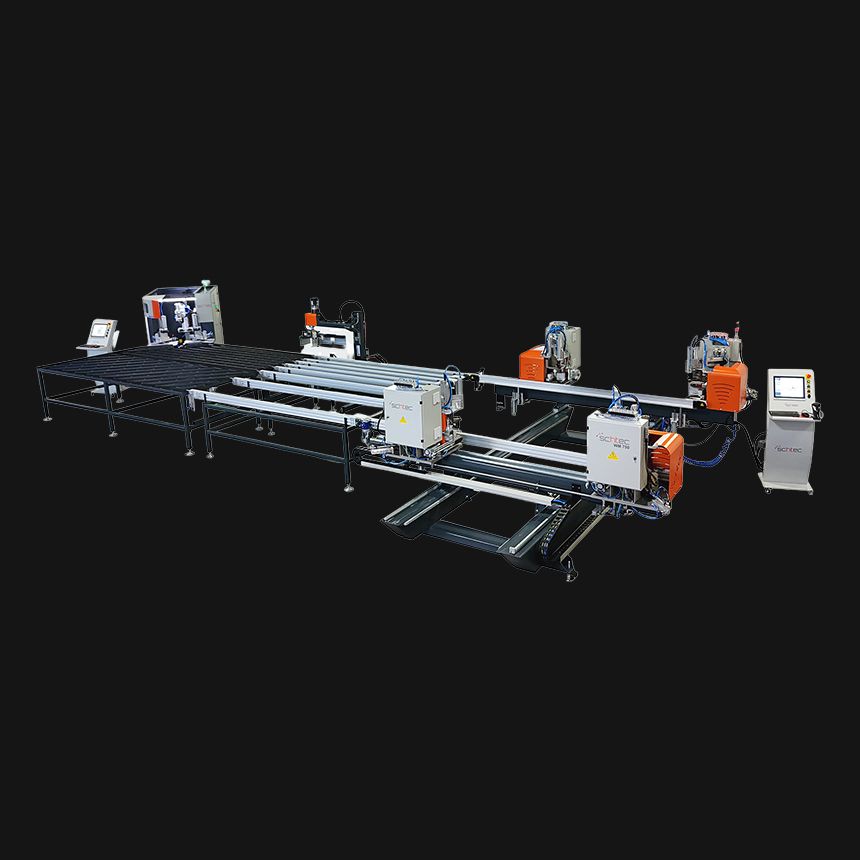
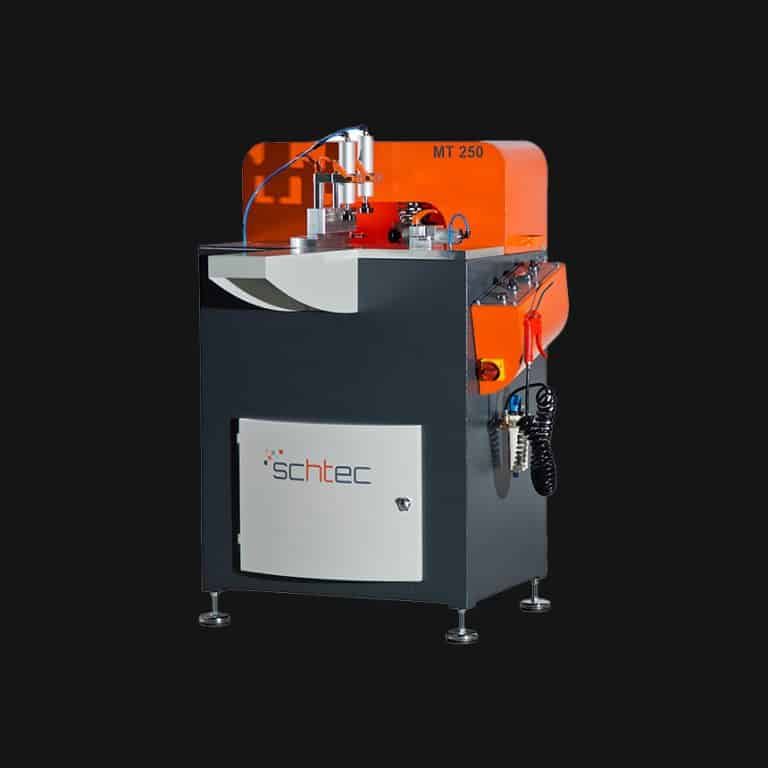
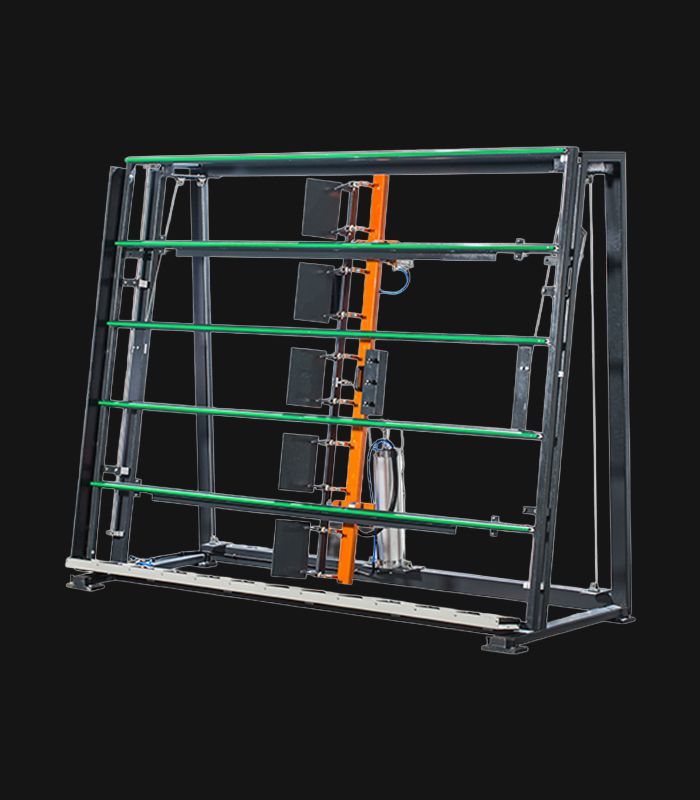
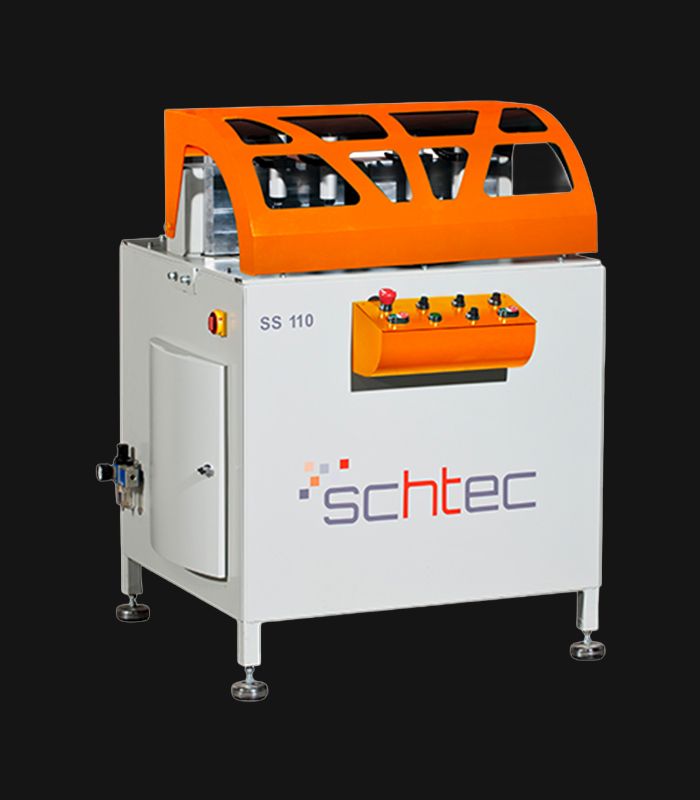
In addition to machining centers, comprehensive aluminum fabrication machinery supports the full production lifecycle. These machines handle precise cutting, slotting, and assembly preparation tasks required for aluminium door and window machines.
By combining machining centers with specialized aluminium machinery, manufacturers build production lines capable of handling heavy profiles, large dimensions, and demanding tolerance requirements.
Automation and Machining Accuracy
Automation plays a central role in aluminium fabrication. Industrial control systems ensure stable axis movement, synchronized operations, and accurate execution of machining programs without manual data entry.
Automated aluminium processing centers reduce scrap rates, prevent setup-related errors, and allow operators to supervise multiple machines simultaneously. This improves overall production efficiency while maintaining consistent quality.
Machining Centres for Scalable Door and Window Production
As production volume increases, scalability becomes a key requirement. Modular machining centres allow manufacturers to expand capacity by adding machines or automation modules without redesigning the entire production layout.
When integrated with upstream and downstream systems such as cutting machines for aluminium and assembly stations, machining centres form the backbone of efficient door and window production.
From Workshop-Level Fabrication to Industrial Manufacturing
Many aluminium fabricators begin with manual or semi-automatic equipment. As order volumes grow, these setups often limit output and introduce quality variation.
Transitioning to industrial aluminium machining centers enables manufacturers to standardize production, improve delivery reliability, and compete in large-scale commercial and international projects.
Conclusion
Modern door and window manufacturing requires more than basic equipment. Aluminium machining centers and fabrication machinery provide the precision, automation, and scalability needed for industrial production environments.
By investing in advanced machining technology, manufacturers can transform aluminium fabrication into a controlled, efficient, and future-ready production process.