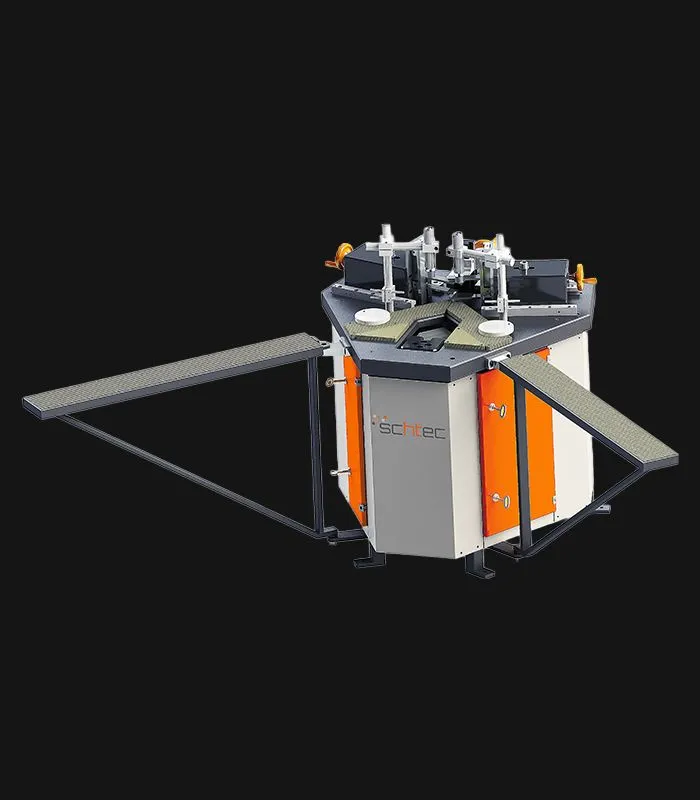
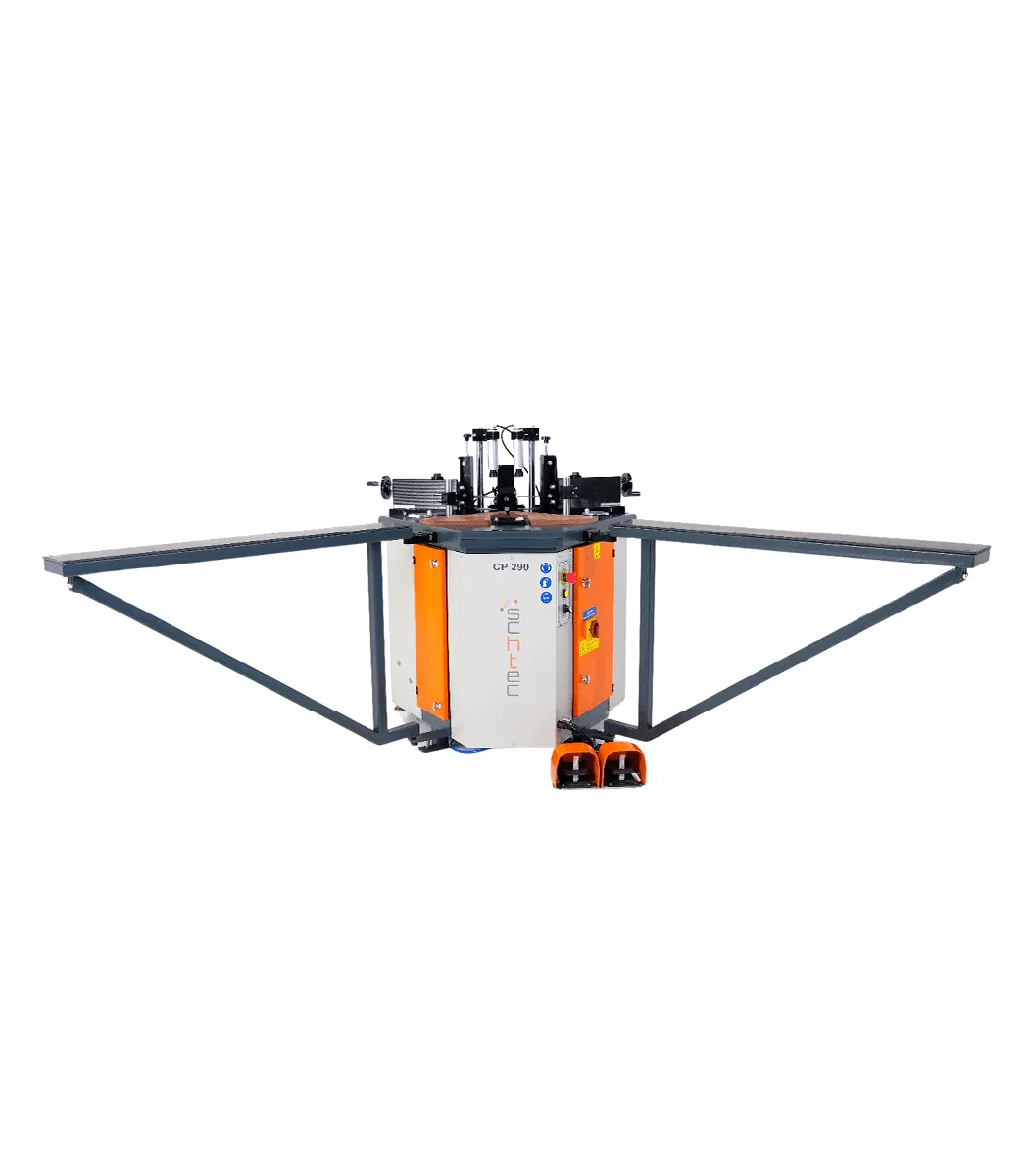
SCHTEC CP 290: Precise 90° aluminum joints with 7-ton/cm² force. Quick blade change, foot pedal control, and front mitre system ensure efficiency for profiles up to 220 mm.
Joins Aluminium profiles corners by pressing them together
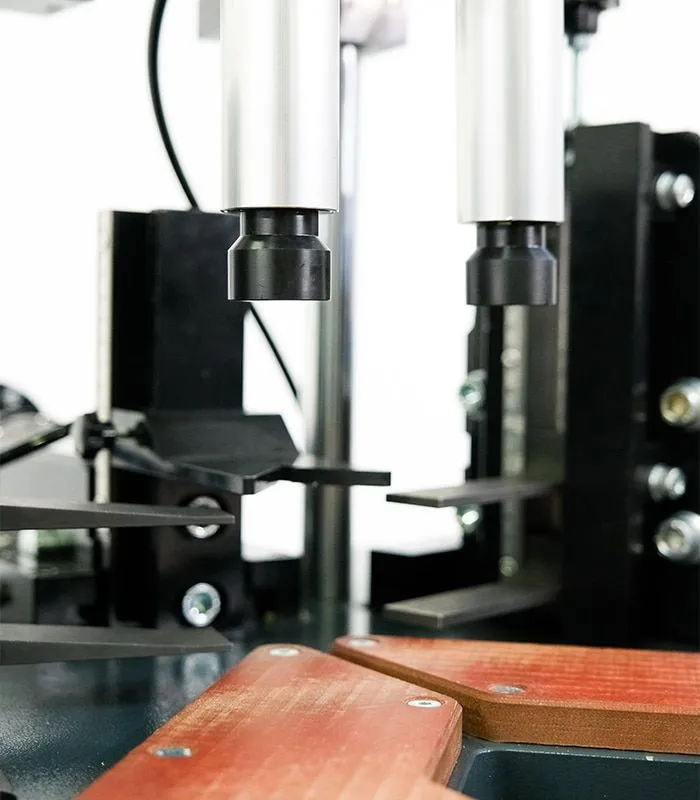
Pneumatic high pressure power system (easy maintenance)
Ability to work with different profiles sizes
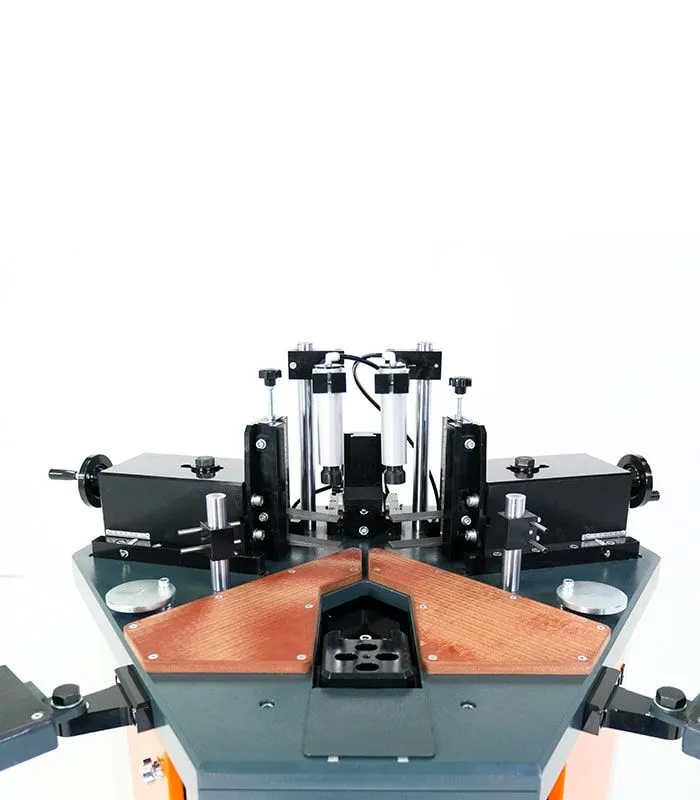
Small frames can be joined by specially designed clamping unit
Quick blade changing system
The front set square system is designed for easy profile loading and unloading
Pressing process is done step by step with a foot pedal
Support arms are included as standard
Product Description
The Schtec CP 290 is a high-pressure corner crimping machine designed to provide strong and aesthetically pleasing 90° joints for aluminum profiles. With a hydropneumatic system delivering 7 tons/cm² of pressing force, the CP 290 ensures maximum durability and precision, especially for large profiles. The machine features quick blade change and a special clamping unit for flexible and safe operation. Step-by-step control is provided via a foot pedal, while the front mitre system speeds up profile alignment and positioning. Supporting profile heights up to 220 mm, with a weight of 575 kg, robust support arms, and ergonomic design, the CP 290 enables smooth operation across various frame sizes.
Frequently Asked Questions
Find quick answers to common questions about our Corner Crimping Machines.
1. What is the main function of an aluminium corner crimping machine?
A corner crimping machine is designed to press and join two aluminium profile ends at a corner angle (often 90°), creating a strong mechanical joint without welding. It applies pressure so that the profiles interlock or deform slightly to form a tight, durable corner connection. This method is often used in aluminium door and window fabrication for consistent, precise frames. By using pressure rather than thermal processes, it preserves the material’s properties and avoids heat distortion.
2. What are the key features of the CP 290 Corner Crimping Machine?
The CP 290 Corner Crimping Machine uses a hydropneumatic high‑pressure power system that is relatively easy to maintain, ensuring consistent force during pressing. It can handle different profile sizes and even join small frames thanks to a specially designed clamping unit. The machine includes a quick blade changing system and a front set square system for easier loading and unloading of profiles. The pressing process is controlled step by step via a foot pedal, giving the operator more control and precision.
3. How does the hydropneumatic system benefit corner crimping operations?
The hydropneumatic system combines hydraulic and pneumatic power to deliver strong, stable pressing forces while reducing mechanical complexity. This design ensures smooth and controlled movement of the pressing cylinders, which helps prevent sudden impacts or misalignment. Maintenance tends to be easier because the system has fewer purely hydraulic parts and can leverage pneumatic control elements. The result is more consistent corner crimping quality with less wear on components over time.
4. How flexible is CP 290 in terms of profile size and applicability?
CP 290 supports a wide range of profile dimensions, which gives fabricators the flexibility to work on many aluminium systems. It also includes special clamps to handle smaller frame sizes that might otherwise be difficult to crimp. The front square system is engineered for easier insertion and removal of profiles during production. Thanks to these features, the machine can adapt to changing product lines or different profile series without extensive retooling.
5. What maintenance practices help achieve long life and consistent performance with CP 290?
Regular cleaning of the pressing area, removal of chips or debris, and lubrication of moving surfaces are essential to maintain precision and prevent wear. Check the pressing cylinders, seals, and air supply lines periodically for leaks or damage. The quick blade change mechanism should be inspected and kept free of buildup so that tool changes remain fast and safe. Calibration and verification of alignment should be done routinely to ensure that corners remain square and accurate. By adhering to these practices, you can reduce downtime and extend the machine’s lifespan.
CP 290 Technical Specifications
Power Supply
220 V, 1 Ph, 50-60 Hz
Power Output
2.2 kW, 10 A
Side Cylinder Pressing Power
7 ton/cm²
Upper Cylinder Pressing Power
3 ton/cm²
Air Pressure
6-8 bar
Air Consumption
60 l/min
Max. Profile Height
220 mm
Max. Knives Pressing Height
190 mm
Min. Frame Size
350 mm x 350 mm
Machine Height
1,300 mm
Machine Length
900 mm (1,760 mm with support arms)
Machine Width
1,200 mm (2,525 mm with support arms)
Machine Weight
575 kg
We use cookies to analyse site traffic and improve your experience. Analytics cookies are only set if you accept. See our Cookie Policy and Privacy Policy.