Maximize Throughput: How Schtec SMC CNC Centers Revolutionize PVC Window Production
In the competitive world of window and door manufacturing, the margin for error is shrinking, while the demand for speed is skyrocketing. Manufacturers face a "perfect storm" of challenges: a global shortage of skilled labor, rising material costs, and customers who demand faster delivery times without compromising on quality.
For decades, the industry relied on segmented production lines—separate cutting stations, separate milling machines, and separate drilling units. This fragmented approach is not only slow but acts as a breeding ground for the "human factor," where a single millimeter of error can ruin an entire frame.
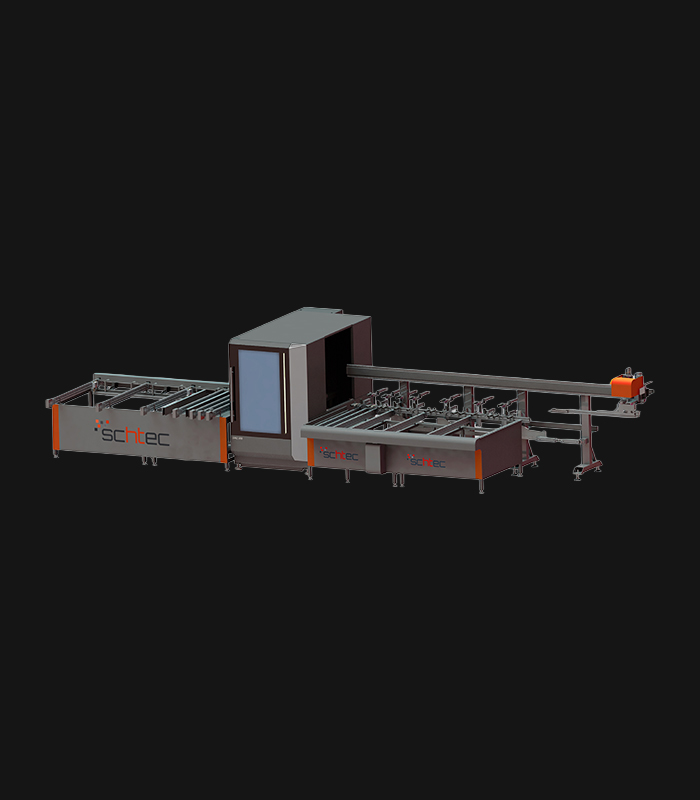
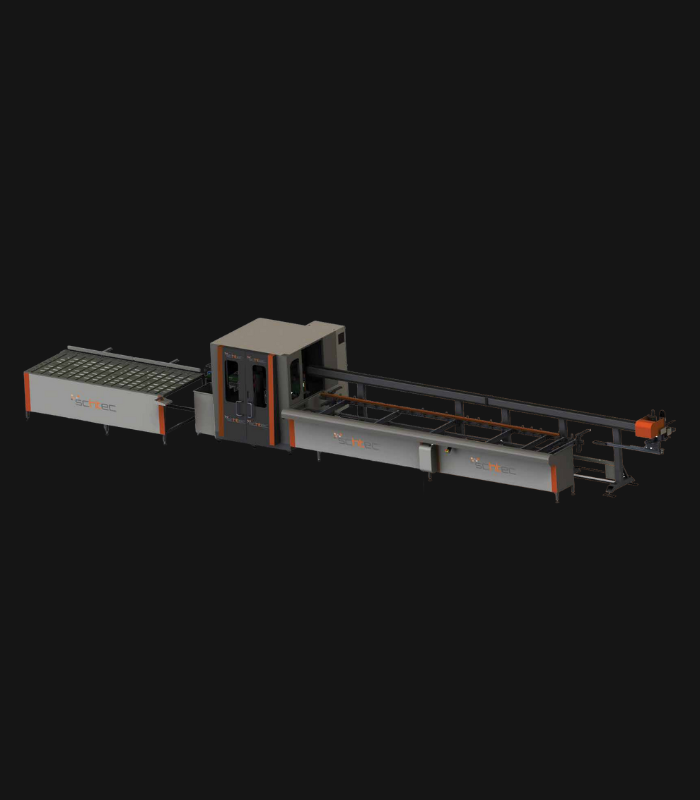
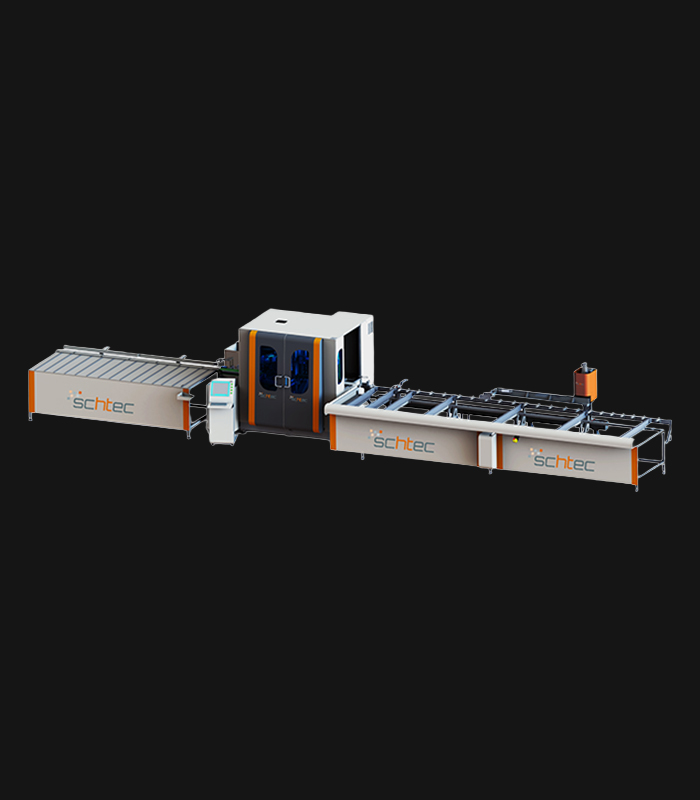
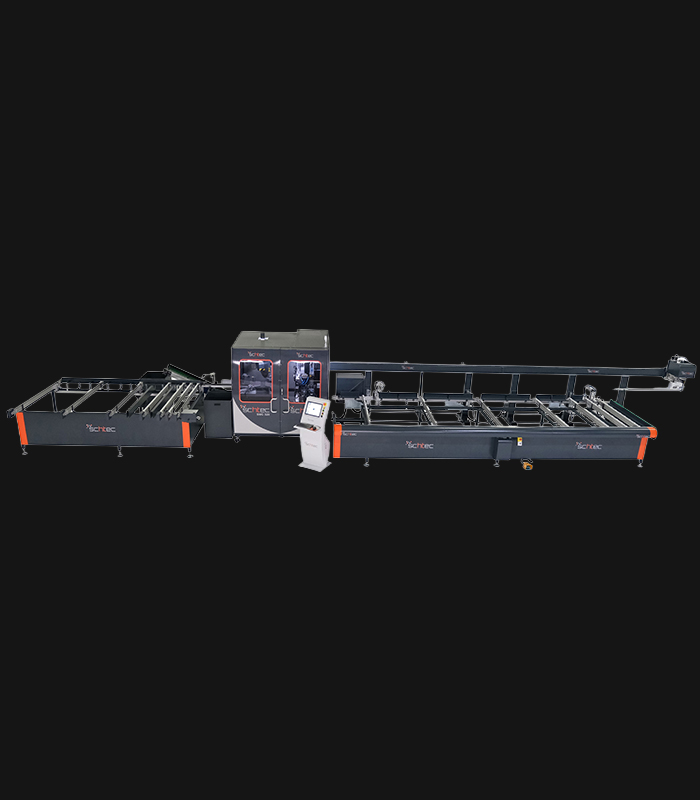
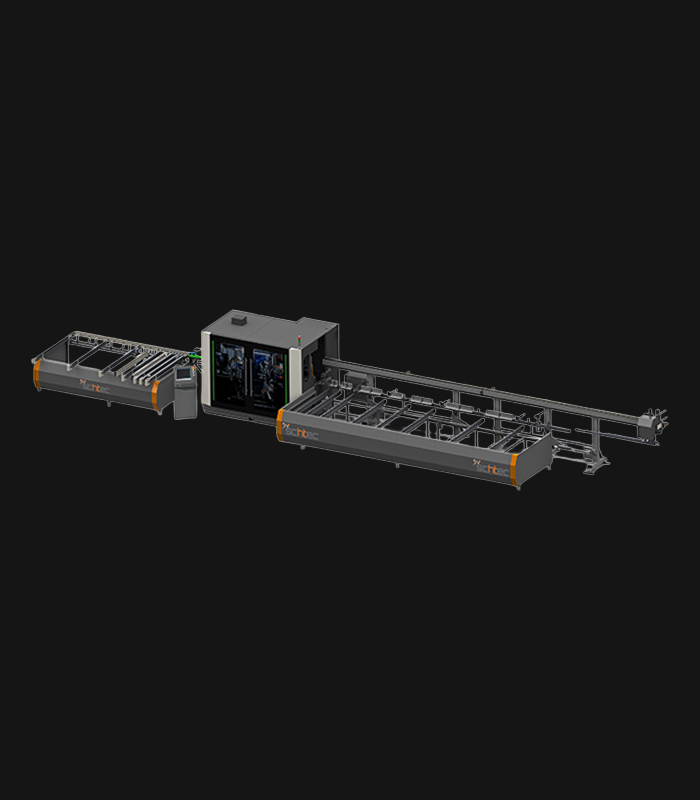
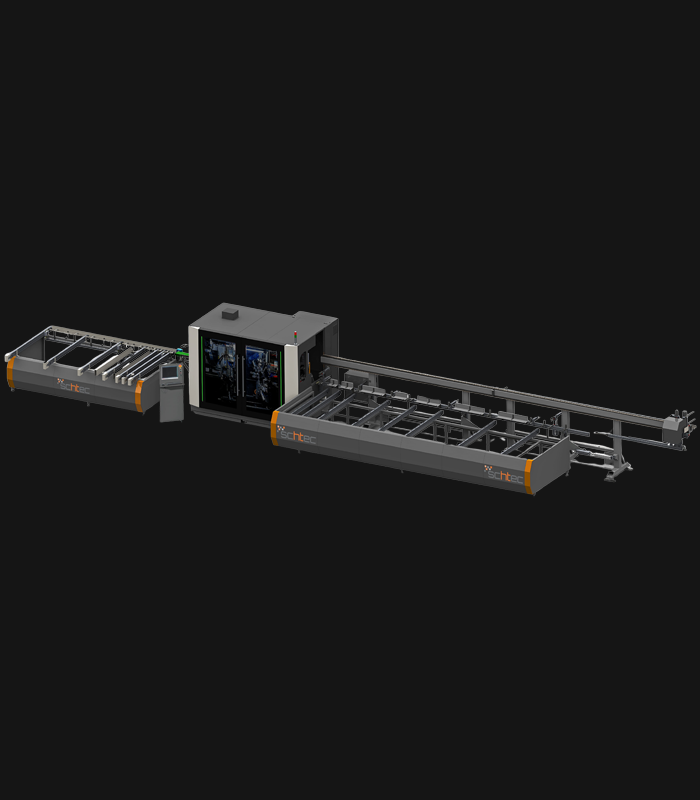
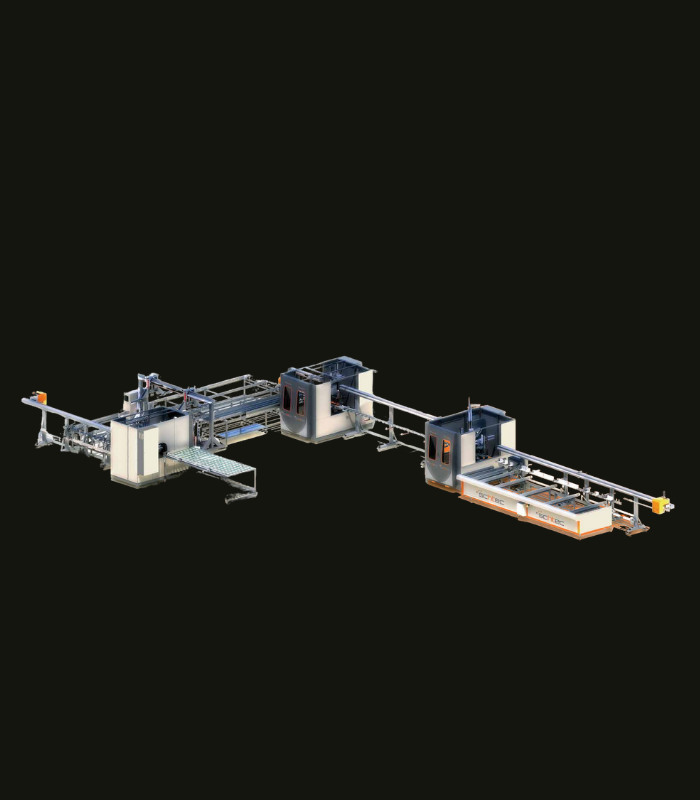
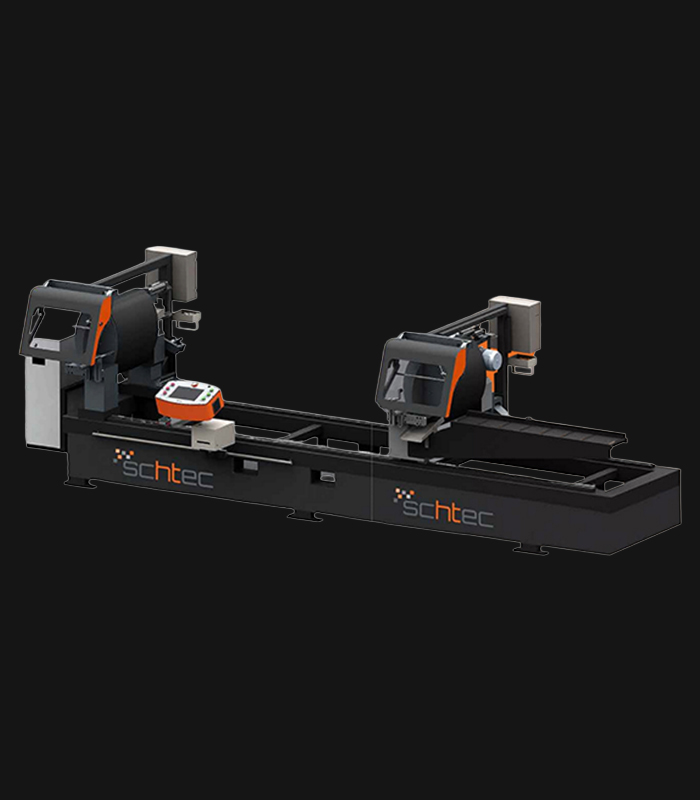
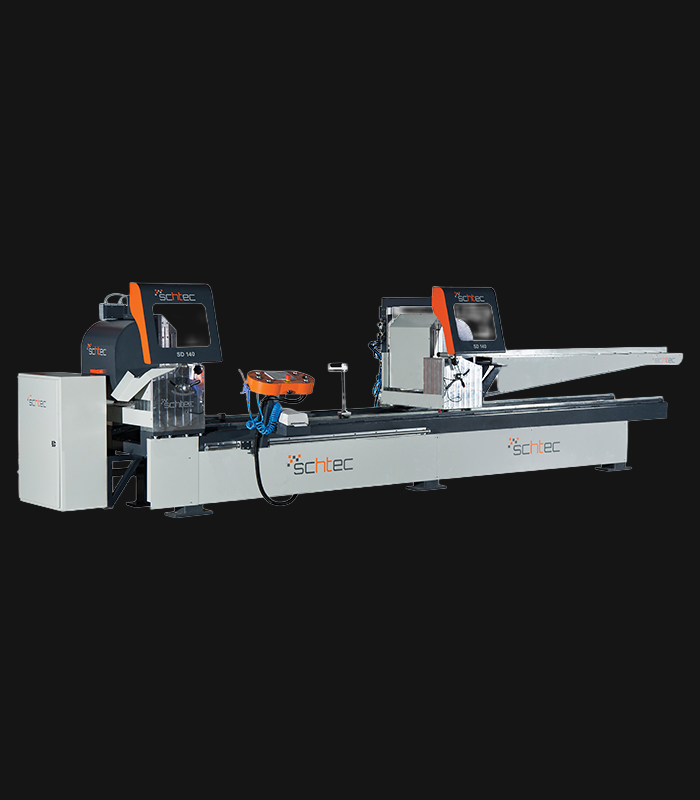
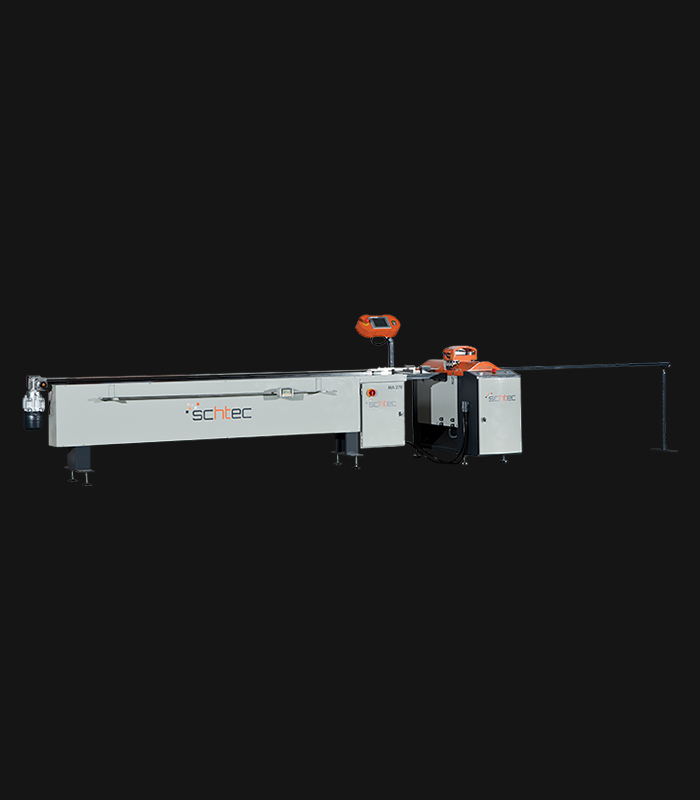
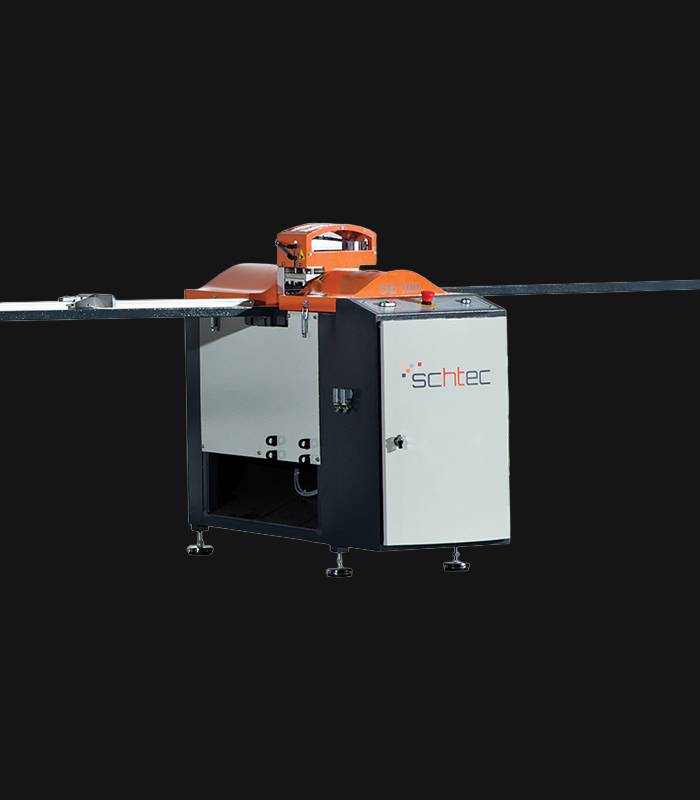
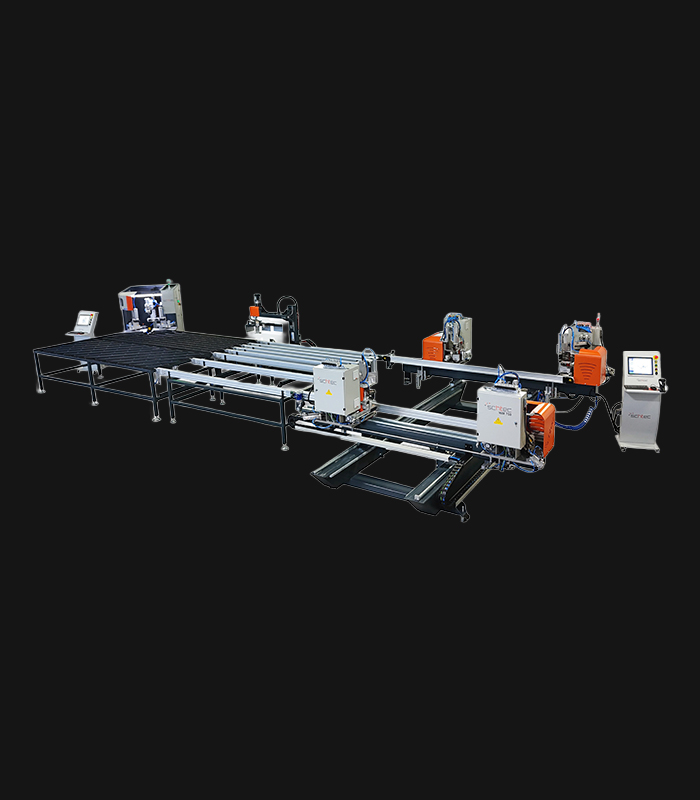
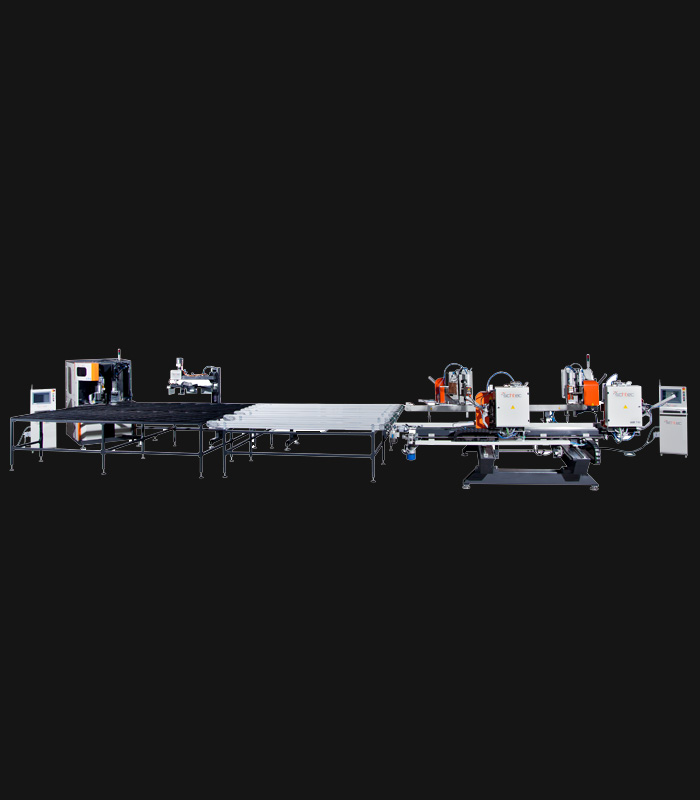
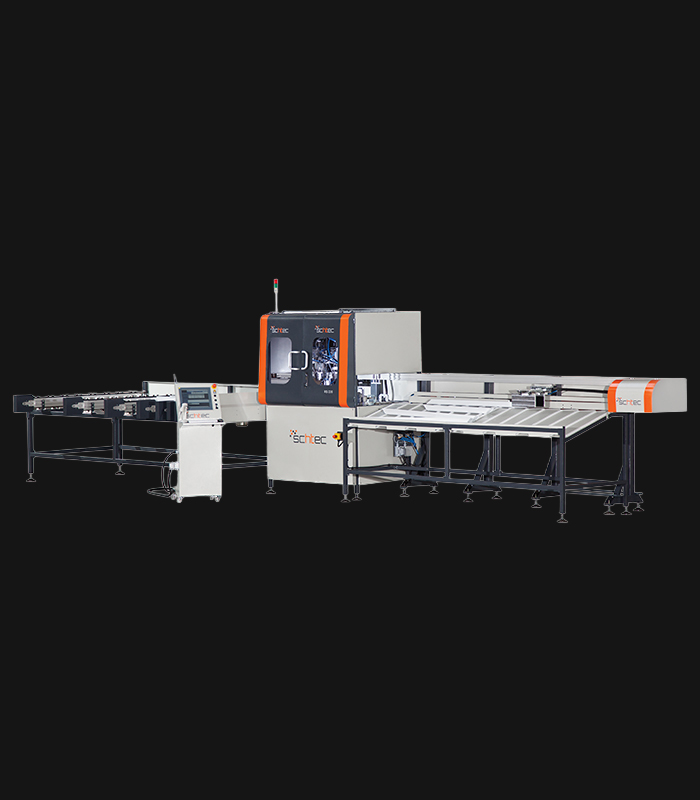
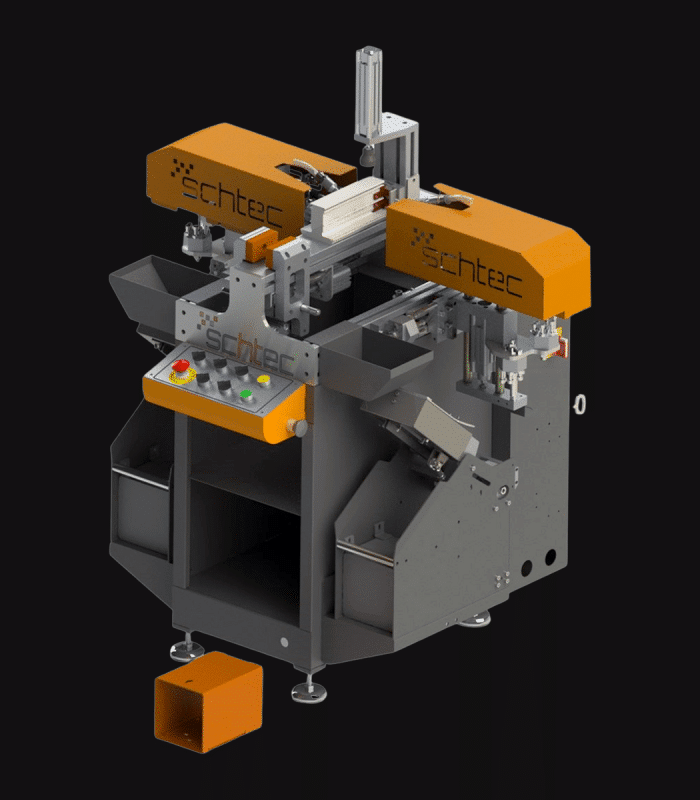
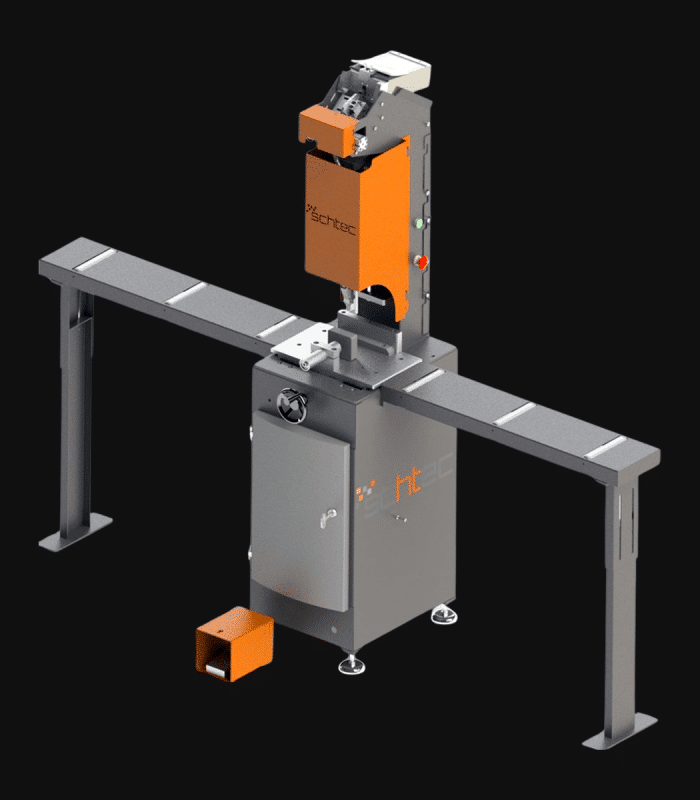
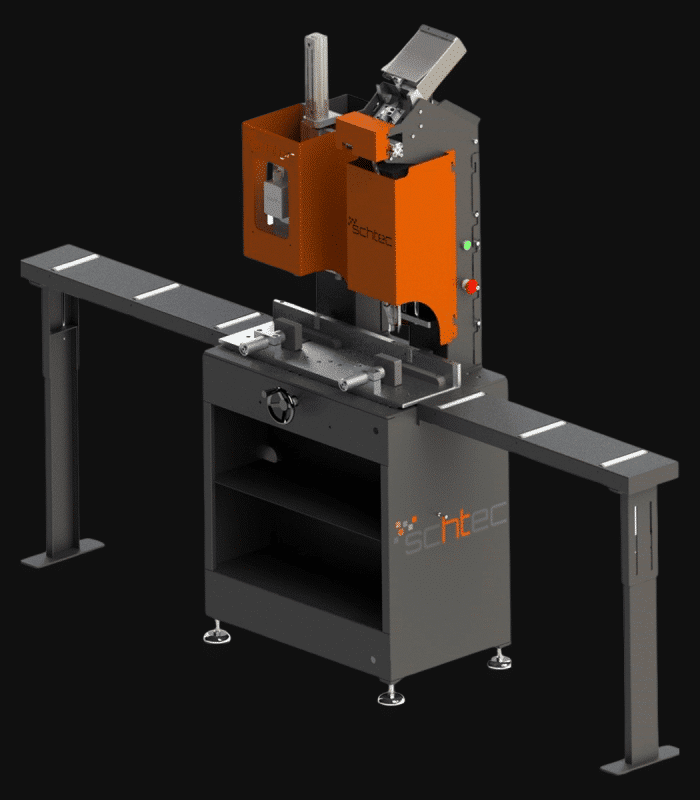
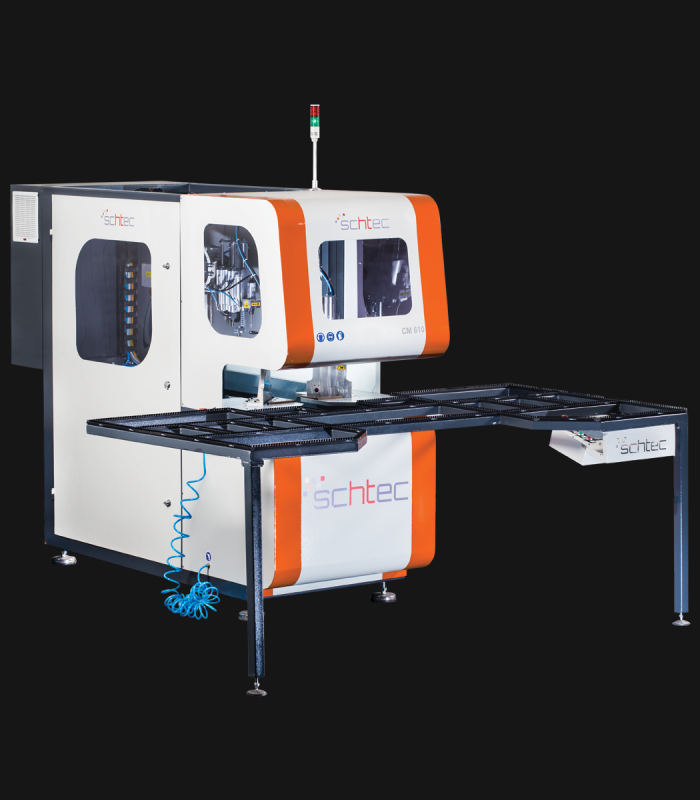
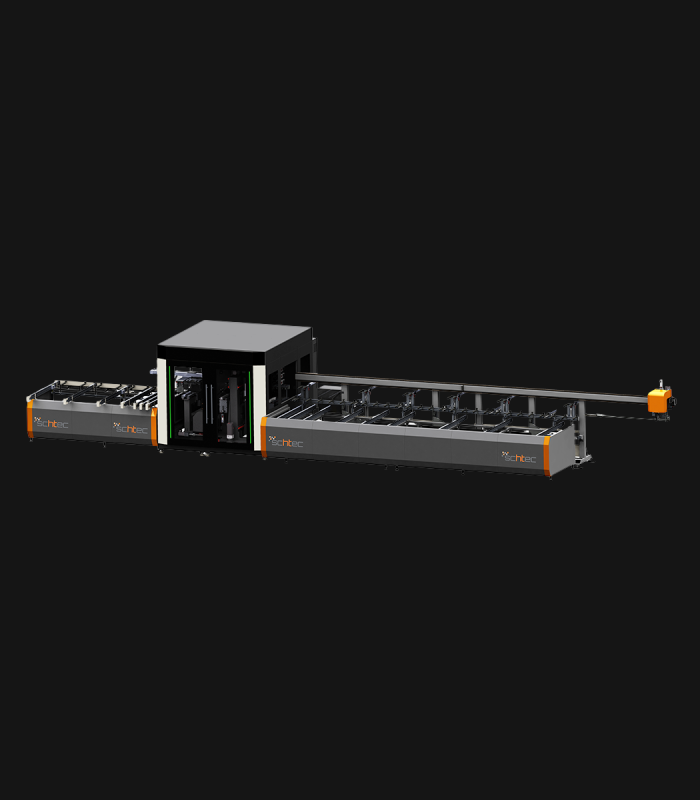
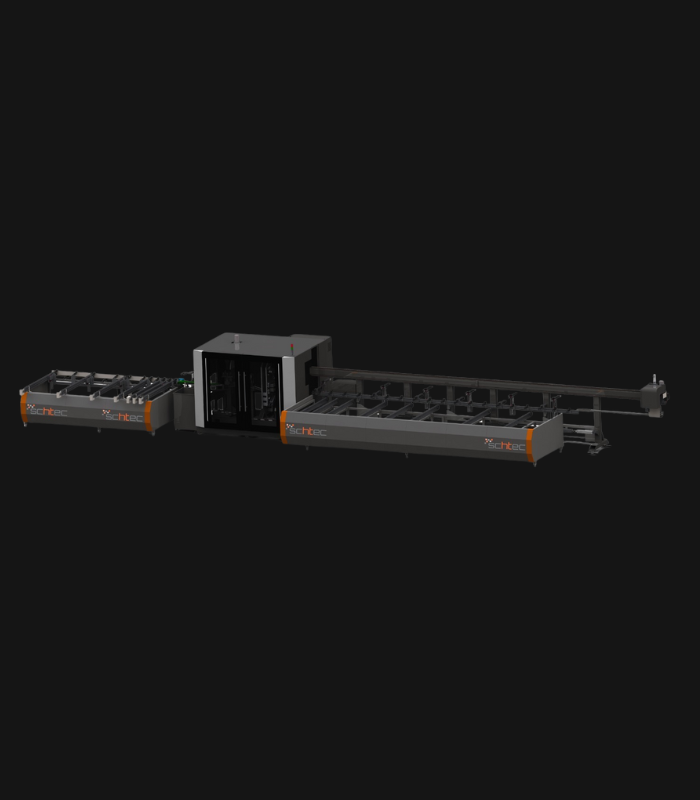
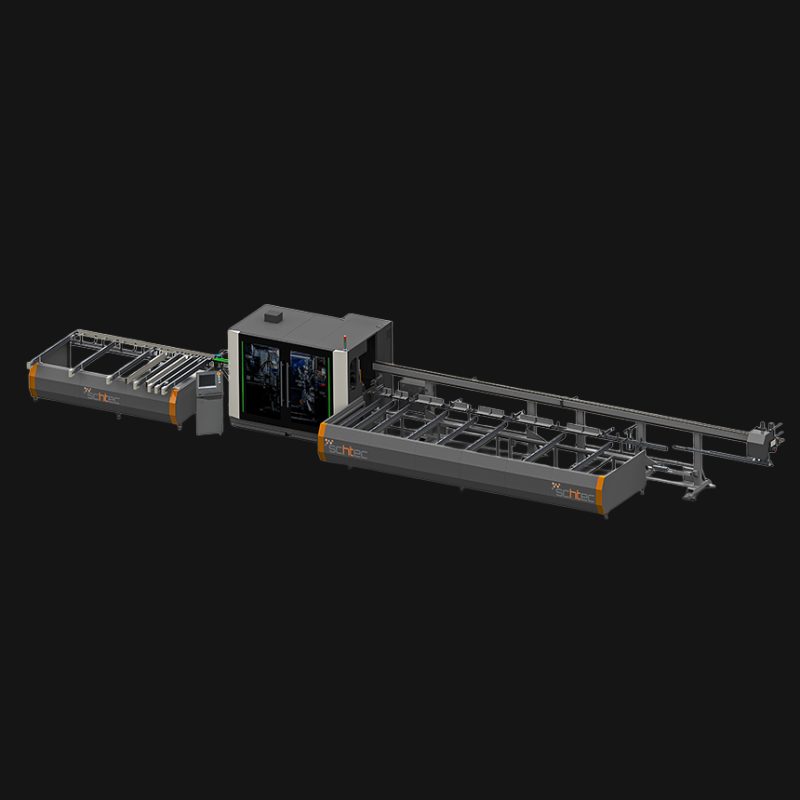
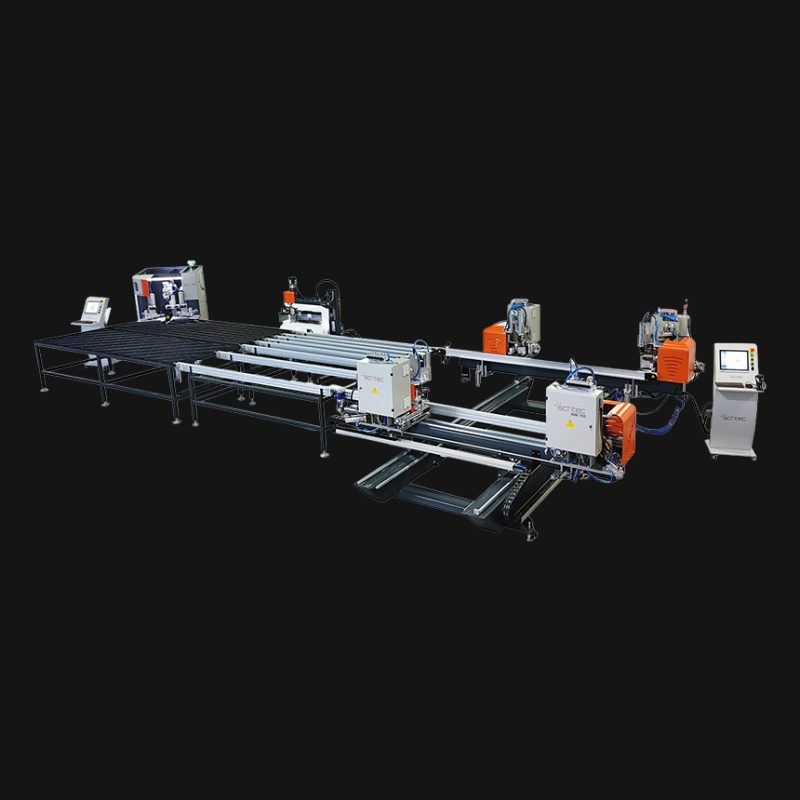
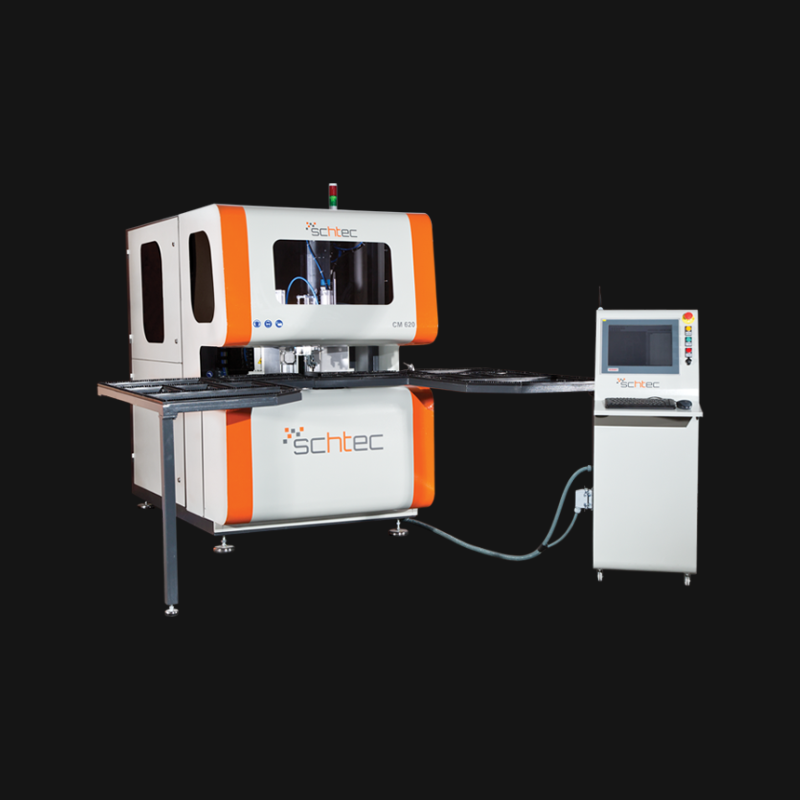
The solution lies in integration and automation. Enter the Schtec SMC Series (SMC 305, 320, 360)—Fully Automated PVC Profile Processing Centers designed to rewrite the rules of throughput. By combining cutting, milling, drilling, and screwing into a single, seamless workflow, Schtec empowers manufacturers to produce more with less effort, zero errors, and optimized labor.
Here is how the Schtec SMC Series is transforming production floors from manual workshops into smart factories.
1. The High Cost of the "Human Factor" in Manual Processing
Before understanding the solution, we must diagnose the problem. In a traditional setup, a PVC profile is handled multiple times. An operator cuts it, moves it to a cart, another operator drills the handle holes, moves it again, and a third operator mills the water slots.
Every time a human touches the profile, two risks emerge:
Time Loss: Handling time (loading/unloading) often exceeds the actual processing time.
Error Potential: Did the operator set the stop correctly? Is the profile resting perfectly against the fence? Did they read the label right?
A study in industrial manufacturing shows that manual handling accounts for over 40% of production time in non-automated facilities. Furthermore, manual cutting errors (often invisible to the naked eye) are the leading cause of assembly bottlenecks. The Schtec SMC Series eliminates these risks by removing the manual variable from the equation.
2. The "All-in-One" Revolution: Cutting, Milling, Drilling, Screwing
The core philosophy of the Schtec SMC Series is consolidation. These machines are not just "saws"; they are comprehensive processing hubs.
How It Works:
Raw profiles are loaded onto the feeding magazine (which can hold up to 11 profiles on models like the SMC 320). From that moment on, the machine takes over:
Gripper System: A servo-controlled gripper pulls the profile with micron-level precision.
Multi-Tasking: While the profile is being positioned, the multi-tool spindle works on drilling handle holes, cylinder slots, and night vents.
Precision Cutting: The servo-controlled saw blade (500mm or similar) executes cuts at any angle between 30° and 150° with 0.1° accuracy.
Waste Management: Optimized cutting algorithms minimize offcuts, while automated conveyors remove dust and scrap.
This means a raw bar of PVC goes in, and a fully prepped, cut-to-size, drilled, and marked piece comes out—ready for welding. No carts, no waiting, no manual measuring.
3. Maximizing Throughput: Speed Meets Synchronization
"Throughput" is not just about how fast a saw blade spins; it’s about how many finished frames you produce in a shift. The Schtec SMC Series maximizes throughput through synchronized operations.
On models like the SMC 320 and SMC 360, the machine performs routing and cutting operations simultaneously where possible. The intelligent software looks ahead at the production data and sequences the tools to ensure the shortest possible path and cycle time.
Continuous Operation: With the capability to load up to 6.5 meters of profile length and high-capacity magazines, the machine runs continuously. The operator can load the next batch of profiles while the machine is still processing the previous one.
High-Speed Servos: Utilizing Beckhoff control systems and high-speed servo motors, the axes move rapidly between operations. We are talking about reducing a process that might take 4-5 minutes manually down to seconds.
For medium to high-scale producers, this translates to a massive jump in capacity—often doubling the output of manual lines without expanding the factory footprint.
4. Uncompromising Precision: The End of the "Domino Effect"
We often talk about the "Domino Effect" in production. A 0.5mm error in cutting results in a gap during welding. That gap forces the corner cleaning machine to over-polish, or worse, prevents the glazing bead from snapping in correctly during assembly.
The Schtec SMC Series stops this domino effect at the source.
0.1° Accuracy: The servo-axis controlled saw ensures that a 45° cut is exactly 45.0°, not 44.9°.
Fixed References: Unlike manual cutting where the profile might slip, the SMC series uses pneumatic clamps and high-precision linear guides to hold the profile rigid.
Perfect Drilling Alignment: Since the machine controls both the position of the profile and the drill bit, handle holes are perfectly centered every single time. This eliminates the nightmare of mounting hardware on a misaligned hole during final assembly.

5. Optimizing Labor: Solving the Skills Gap
Perhaps the most critical advantage of the SMC Series in today's economy is Labor Optimization.
Finding skilled craftsmen who can manually cut and drill with precision all day is becoming impossible. With the Schtec SMC Series, you don't need a team of master carpenters; you need a single technician.
Redeploying Workforce: Instead of having three people on cutting and drilling stations, you have one person monitoring the SMC. The other two employees can be redeployed to assembly or quality control—areas where human touch adds more value.
Reduced Training Time: Training an operator to use the user-friendly Schtec HMI (Human-Machine Interface) takes a fraction of the time compared to training someone to manually calculate cuts and measurements.
Safety: By keeping hands away from saw blades and drills inside a fully enclosed cabin, workplace accidents are virtually eliminated.
6. Choosing the Right Model: SMC 305 vs. 320 vs. 360
While all models share the same DNA of precision and automation, selecting the right one depends on your specific throughput needs:
SMC 305: The ideal entry into CNC automation. It offers the core benefits of cutting and routing integration for growing workshops.
SMC 320: The standard for medium-to-large production. With its 11-profile loading magazine and advanced synchronized operations, it is a workhorse designed for continuous shifts.
SMC 360: Designed for high-speed, high-volume demands. It features faster servo speeds and optimized cycle times for manufacturers who need to push the limits of daily output.
Conclusion: The Future is Automated
Investing in a Schtec SMC Profile Processing Center is not just about buying a machine; it is about buying certainty. Certainty that your daily production targets will be met. Certainty that every corner will weld perfectly. Certainty that you are not dependent on the availability of manual labor.
In an industry where margins are tight and competition is fierce, the ability to maximize throughput while minimizing error is the ultimate competitive advantage.
Are you ready to transform your production line? Discover the full technical specifications of the SMC Series at schtec.com or contact us today for a consultation on which model fits your factory best.