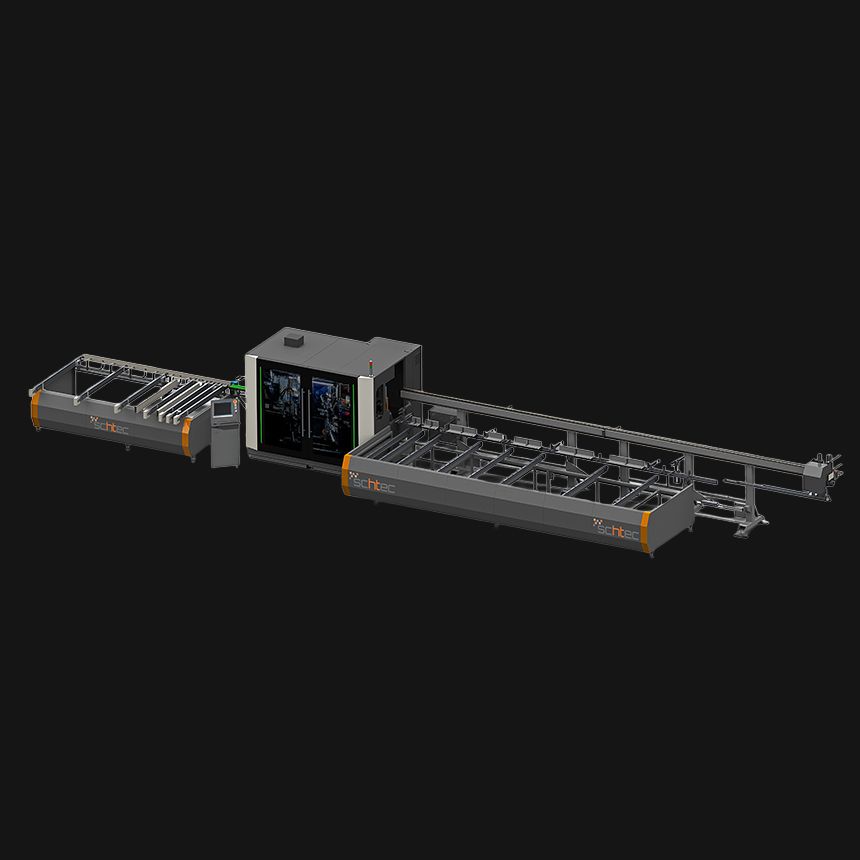
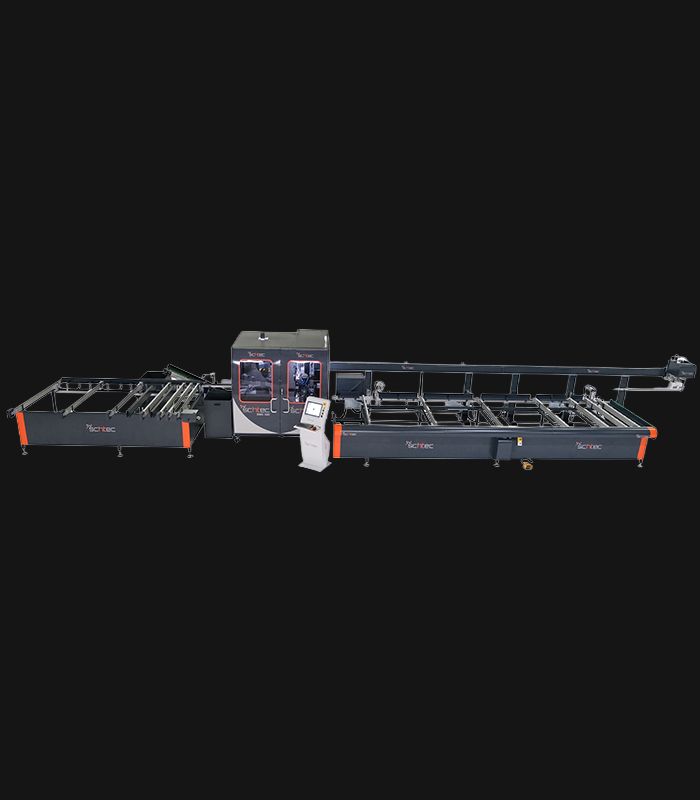
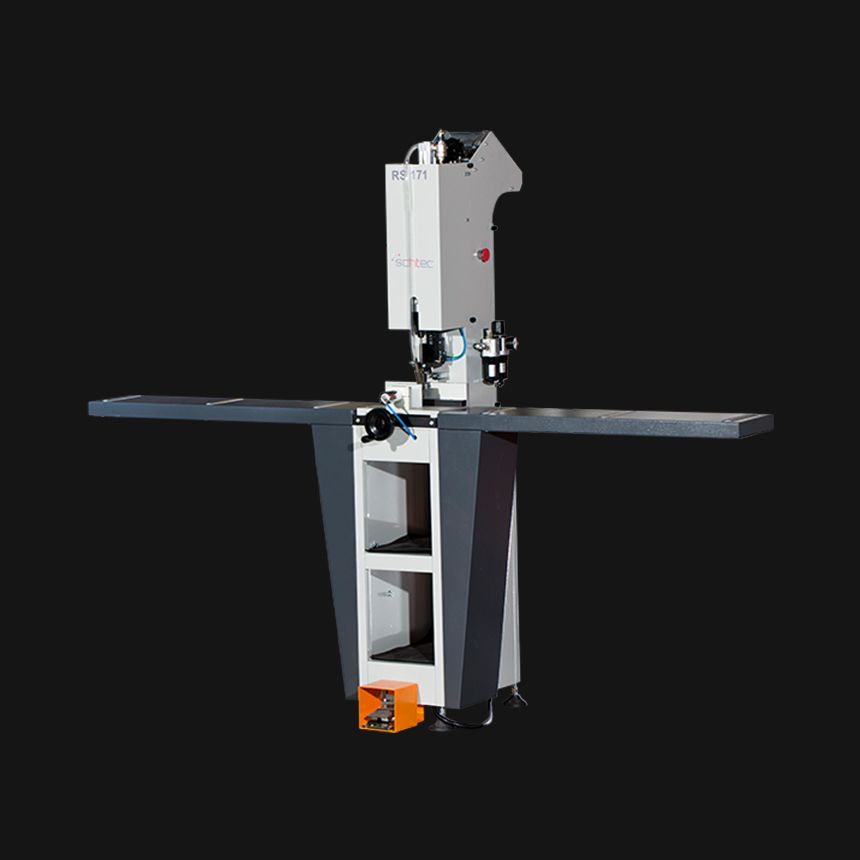
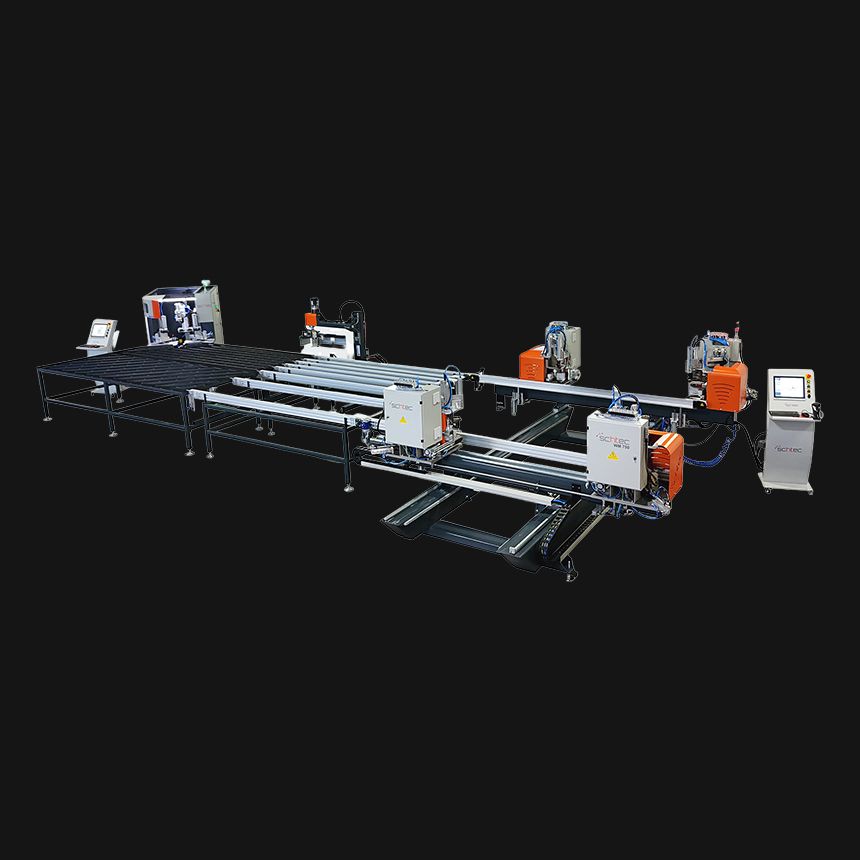
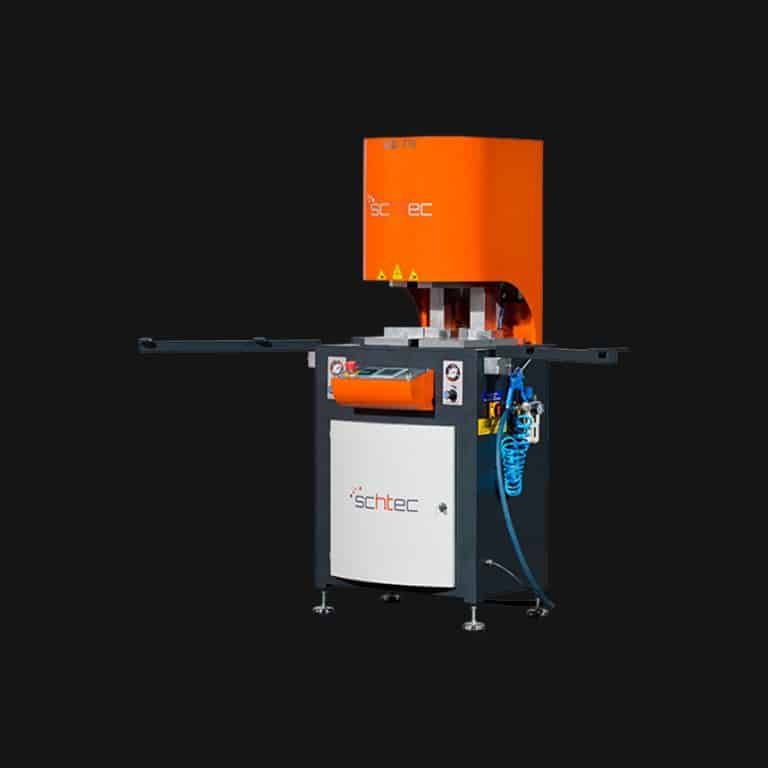
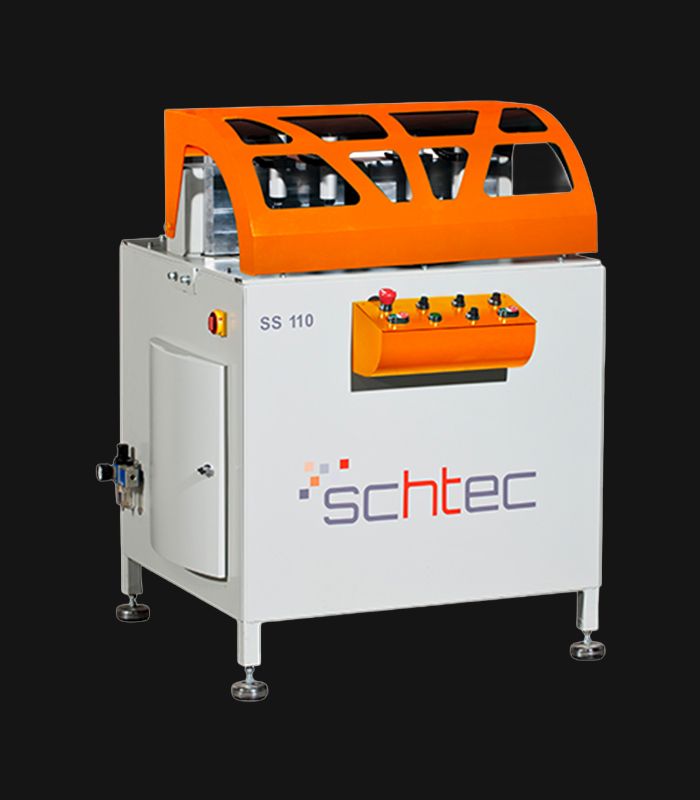
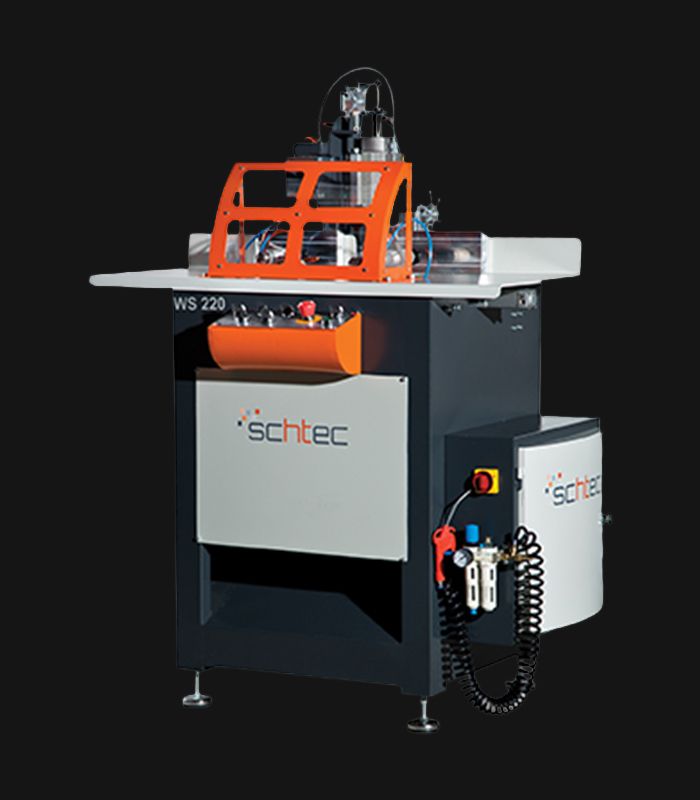
In window and door manufacturing, the cutting stage sets the baseline for dimensional accuracy and overall line efficiency. Even the most advanced machining center cannot compensate for incorrect initial cutting. That is why selecting the right cutting machines is a strategic decision for manufacturers aiming to improve throughput, reduce waste, and maintain consistent frame quality.
Schtec provides specialized solutions for aluminum and PVC cutting across different production volumes. Whether your operation focuses on made-to-order projects or standardized series production, selecting the right cutting architecture helps stabilize quality and protect productivity.
Cutting Machines as the Foundation of a Stable Production Workflow
Cutting machines define profile length accuracy, joint consistency, and downstream process stability. In industrial manufacturing, cutting performance directly affects welding quality, corner finishing results, and final assembly alignment. For factories building complete lines, cutting must be evaluated as part of the full process chain, not as an isolated workstation.
To explore Schtec solutions in this category, start with the dedicated product group for cutting machines for PVC and the corresponding category for cutting machines for aluminium.
Single Head vs Double Head Cutting Machines
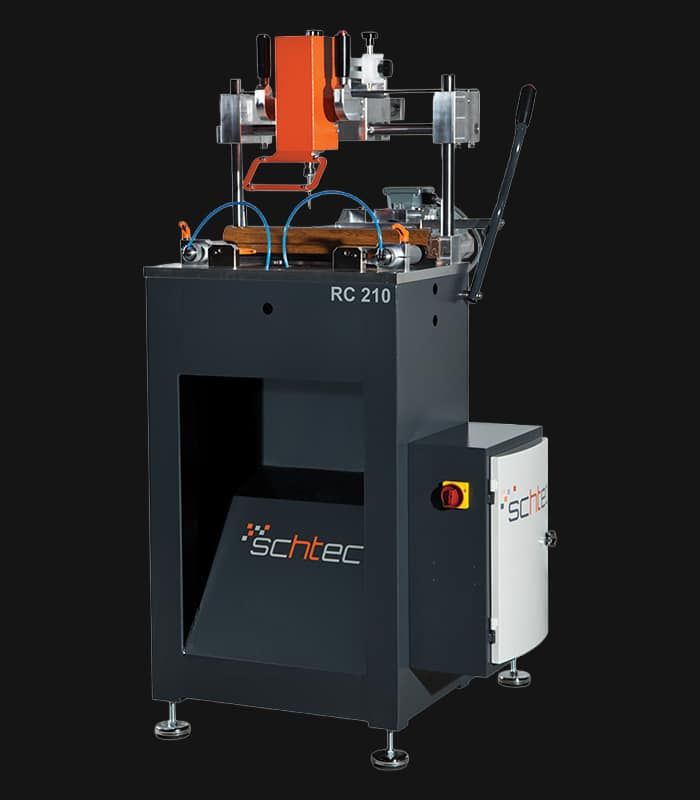
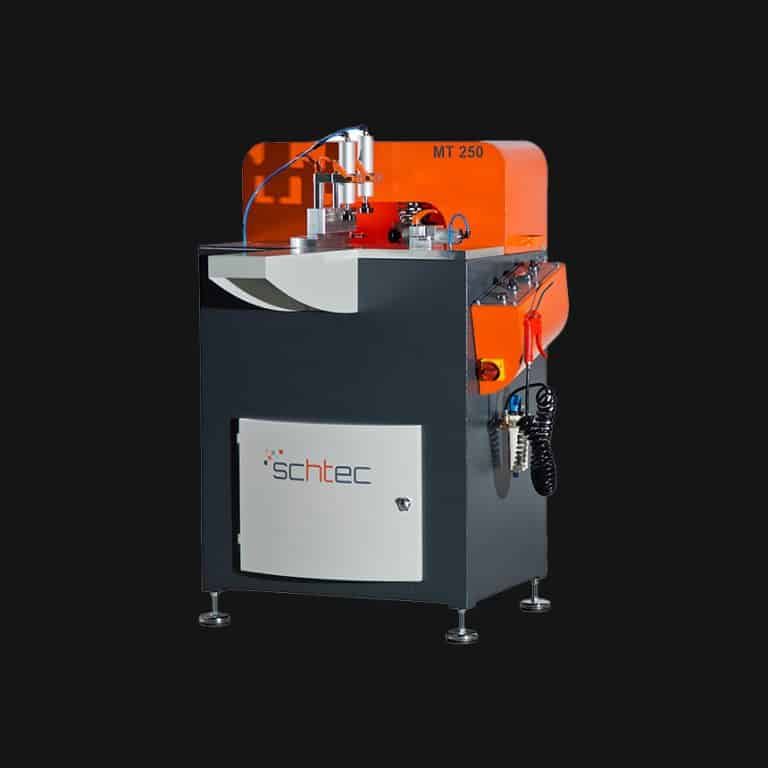
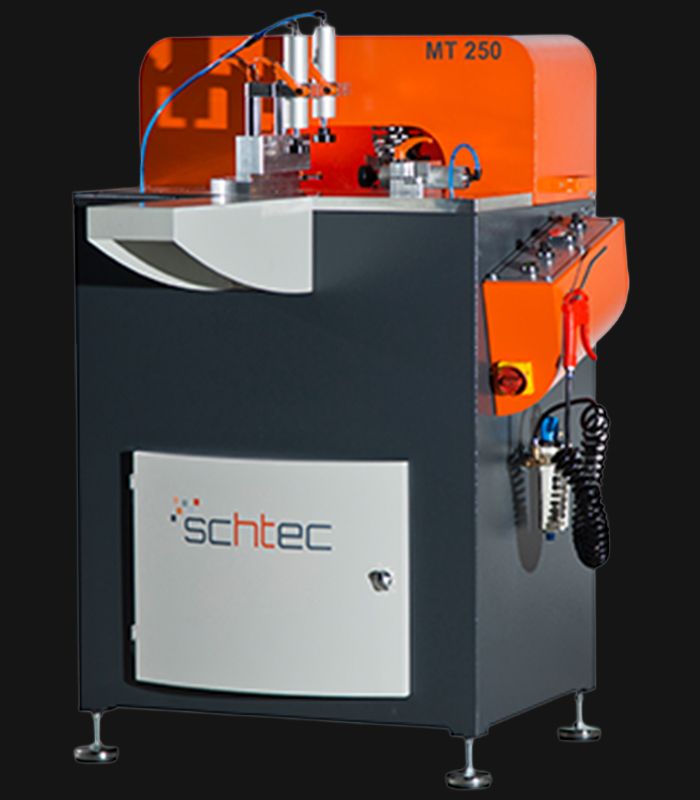
Single head cutting machines are typically preferred when flexibility is critical. They support frequent angle changes, custom production, and lower batch volumes. For workshops producing a wide mix of frame types, single head cutting machines can be a practical choice due to compact footprint and operational simplicity.
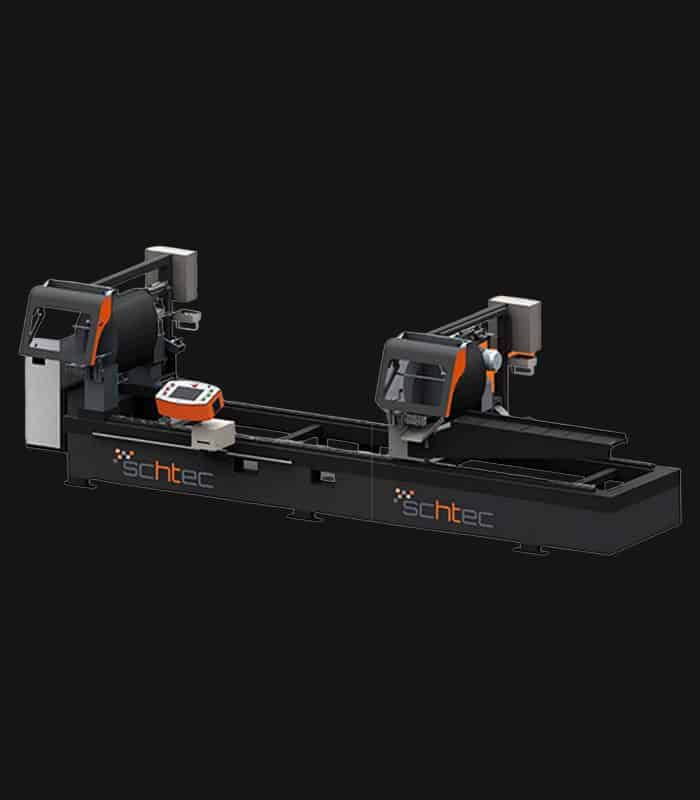
Double head cutting machines are designed for speed and repeatability in medium to high-volume environments. By cutting both ends of a profile in one cycle, double head cutting machines reduce handling time and improve output consistency. This becomes especially important when production focuses on standard 45° and 90° joints and predictable shift targets.
Material Considerations: PVC and Aluminium Cutting Requirements
PVC cutting priorities often emphasize stable angles, clean surface finish, and consistent cycle times. Aluminium cutting requires additional attention to rigidity, controlled feeding, and process stability under higher cutting forces. Selecting the correct machine class for your material mix is essential, especially for factories producing both PVC and aluminium systems.
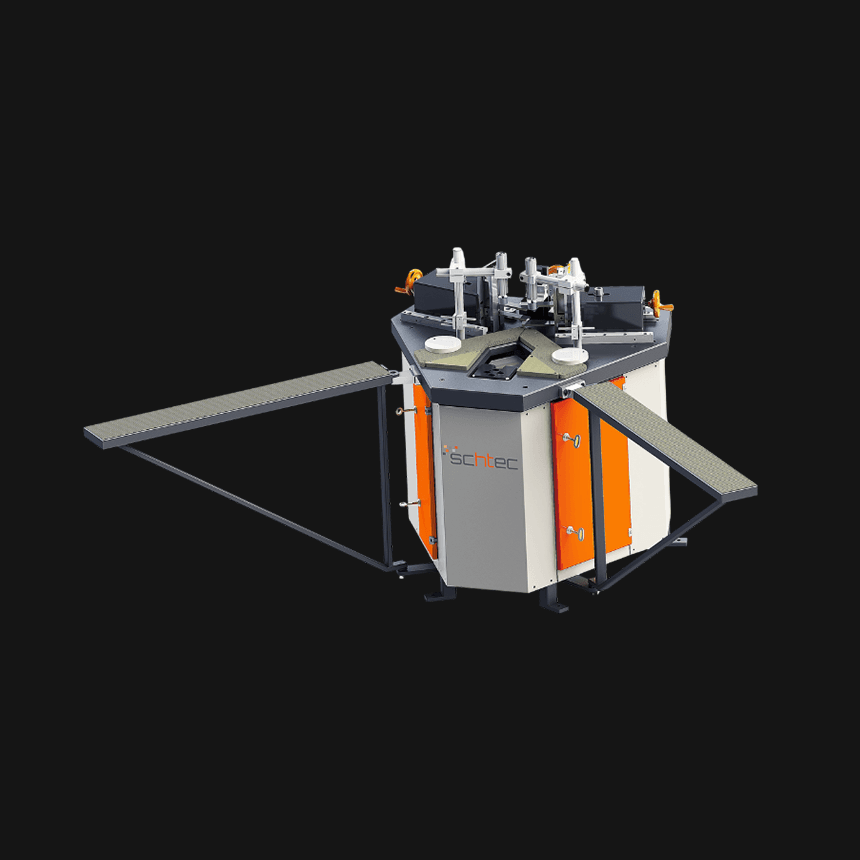
For mixed production strategies, manufacturers often evaluate cutting machines alongside profile processing machines to ensure compatibility with downstream machining steps and production planning.
How Cutting Strategy Impacts Machining Centers and Line Efficiency
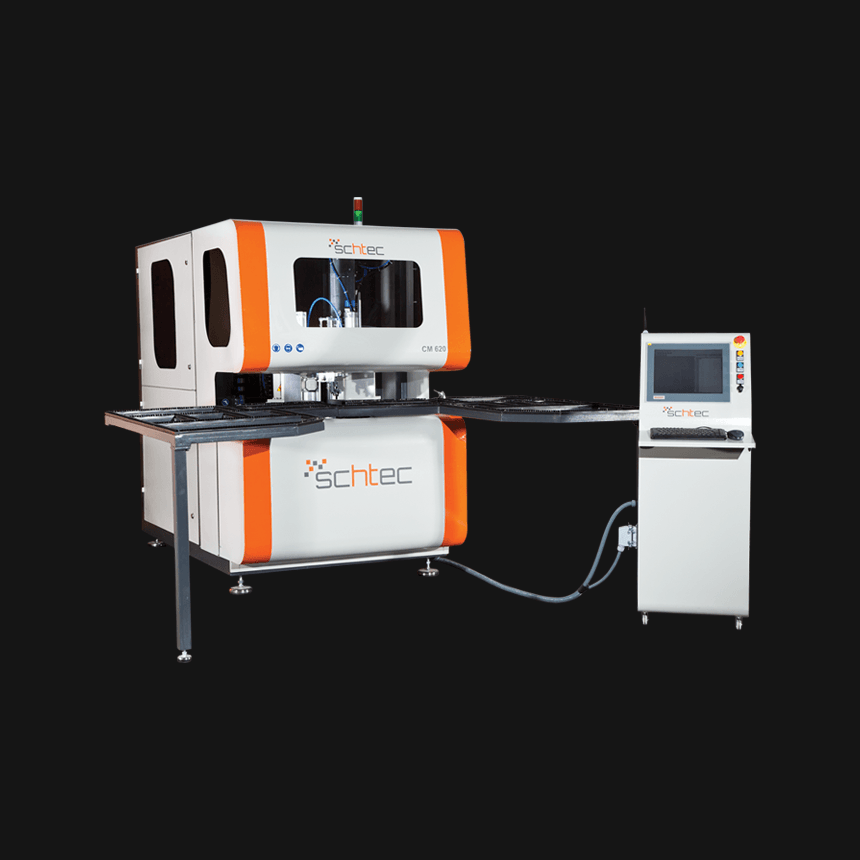
When cutting accuracy is stable, machining centers can operate closer to their optimal cycle time because profiles arrive correctly dimensioned and consistently referenced. This reduces corrective actions, minimizes operator intervention, and improves overall flow in window and door production.
If you are building or upgrading a complete manufacturing system, align your cutting selection with your broader production architecture, including PVC machinery ve aluminium machinery to ensure the entire line performs as one integrated system.
Conclusion
The right cutting machines improve more than speed. They stabilize quality, reduce scrap risk, and protect the performance of downstream processes across the full production line. By matching machine type to production volume and material requirements, manufacturers can achieve a stronger, more predictable window and door manufacturing workflow.
To review Schtec cutting solutions and plan the right setup for your facility, explore the cutting machine categories or contact the Schtec team for configuration guidance.