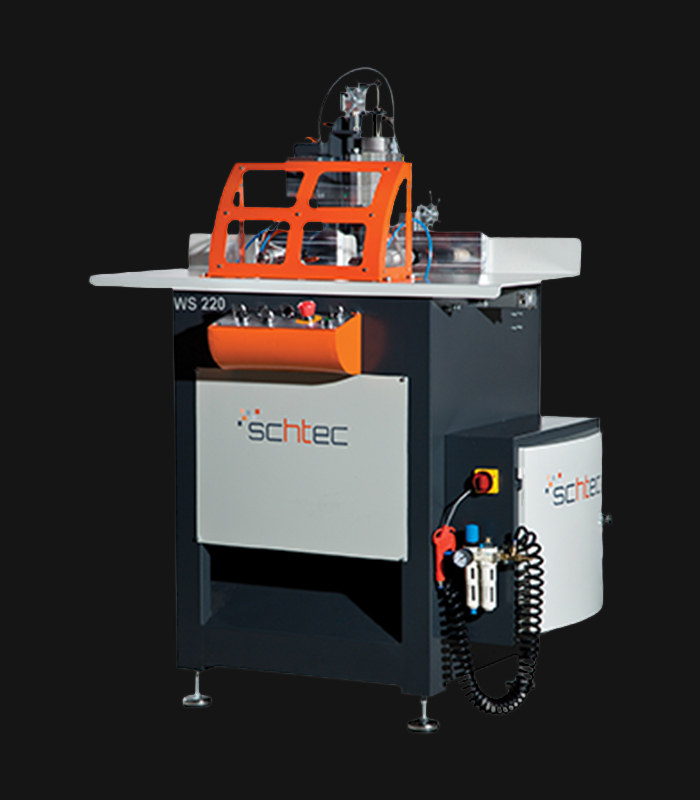
PVC Window Production Lines | Integrated PVC Machinery Systems
The Limits of Standalone PVC Machinery
Traditional workshops often grow by adding individual machines one by one. Cutting machines, welding units, corner cleaning machines, and assembly stations are purchased separately and connected manually through handling and operator experience.
While this approach works at low volumes, it introduces several limitations as demand increases:
- Excessive profile handling between machines
- Inconsistent machining results due to manual intervention
- Production bottlenecks between cutting, welding, and finishing stages
- Higher labor dependency and scrap rates
As order volumes rise, these inefficiencies directly affect delivery times and production costs. This is where system-based PVC production line machinery becomes essential.

What Defines an Integrated PVC Window Production Line
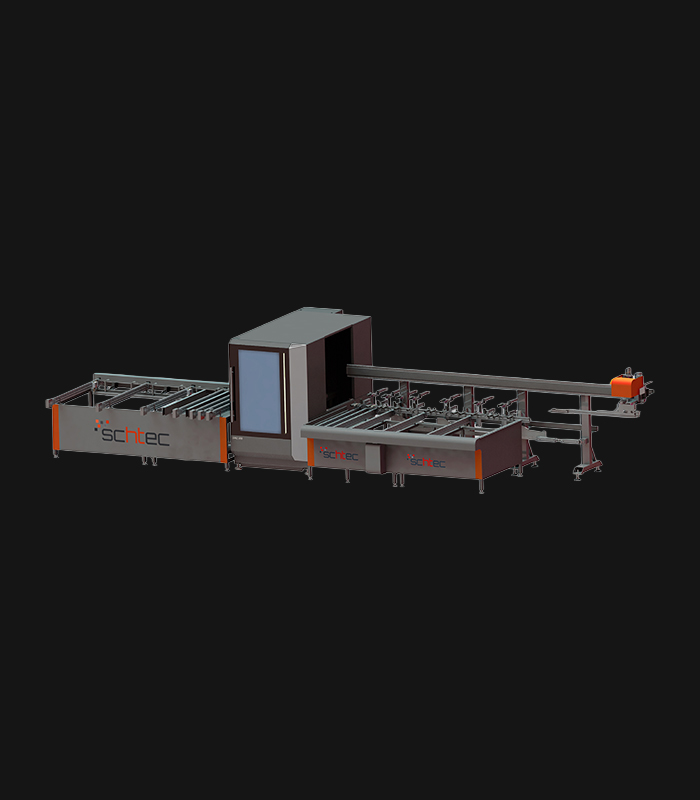
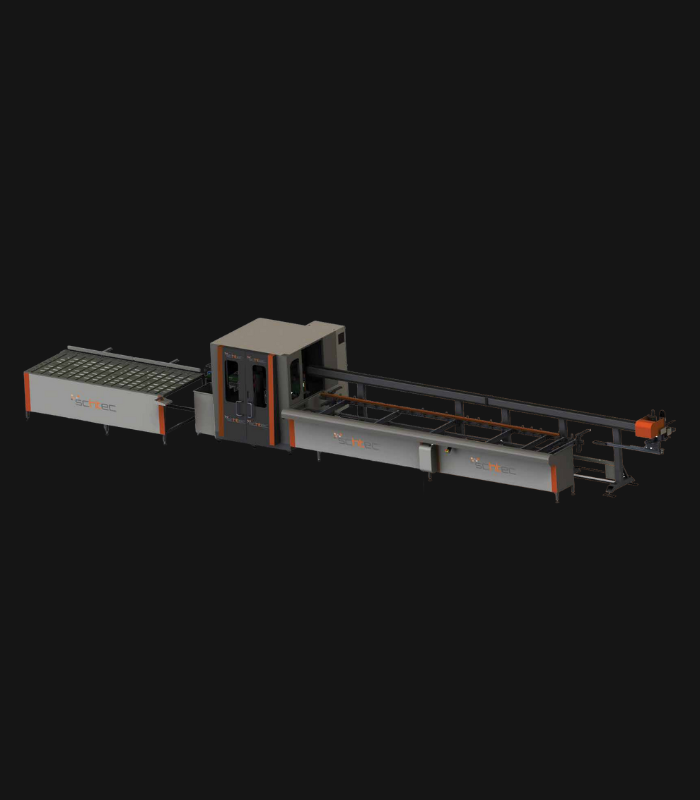
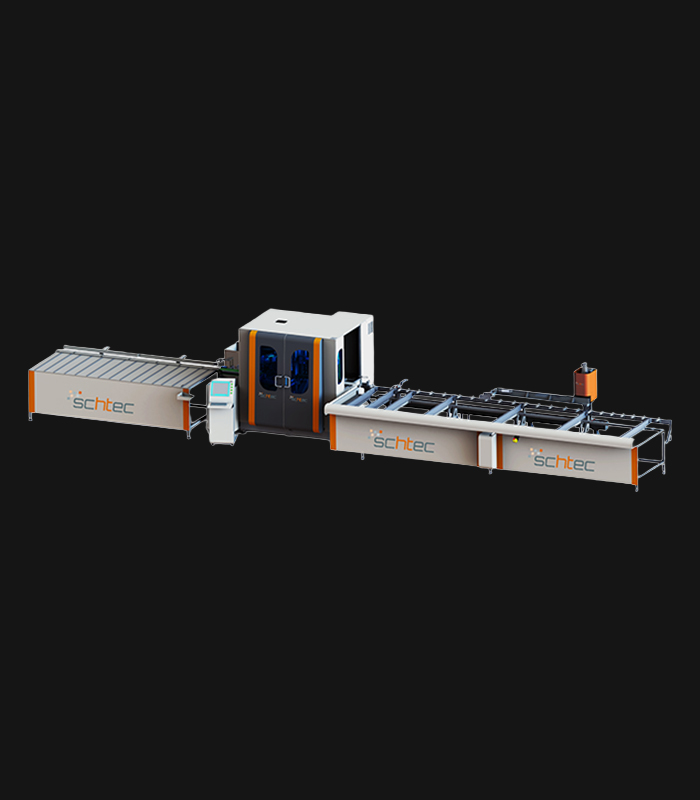
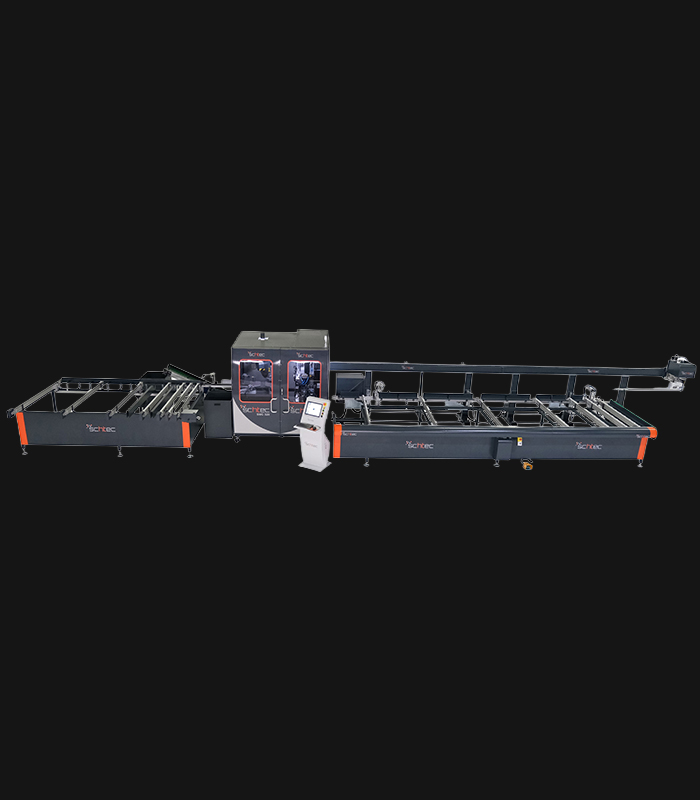
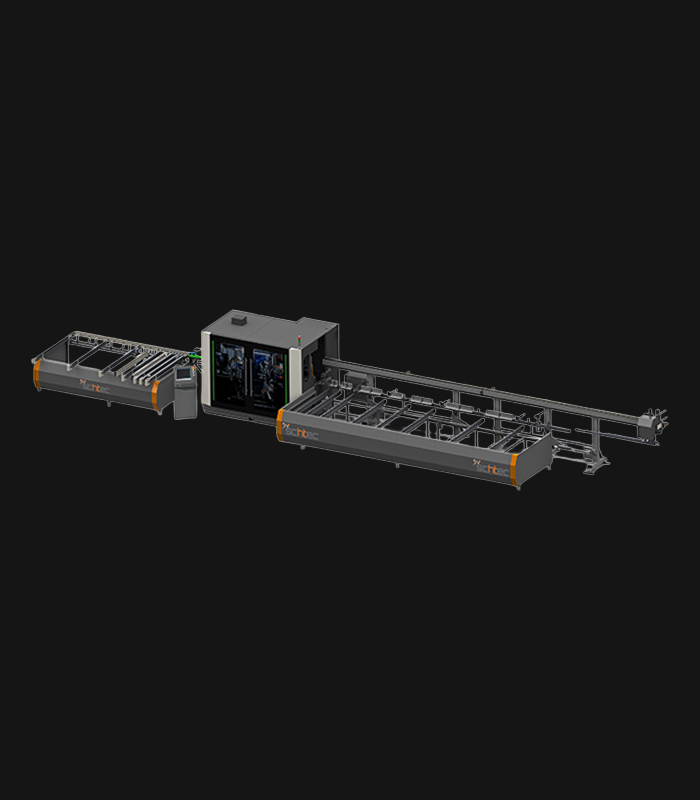
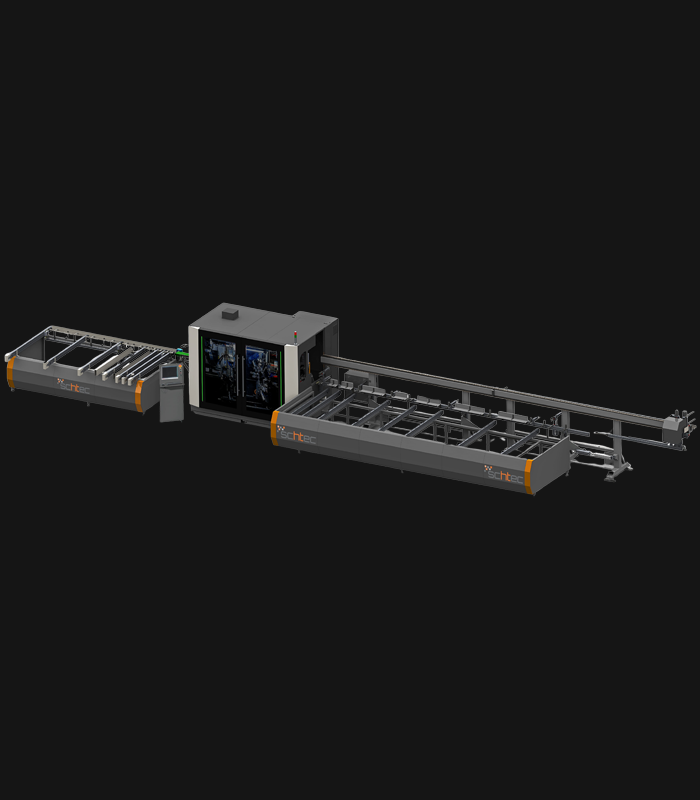
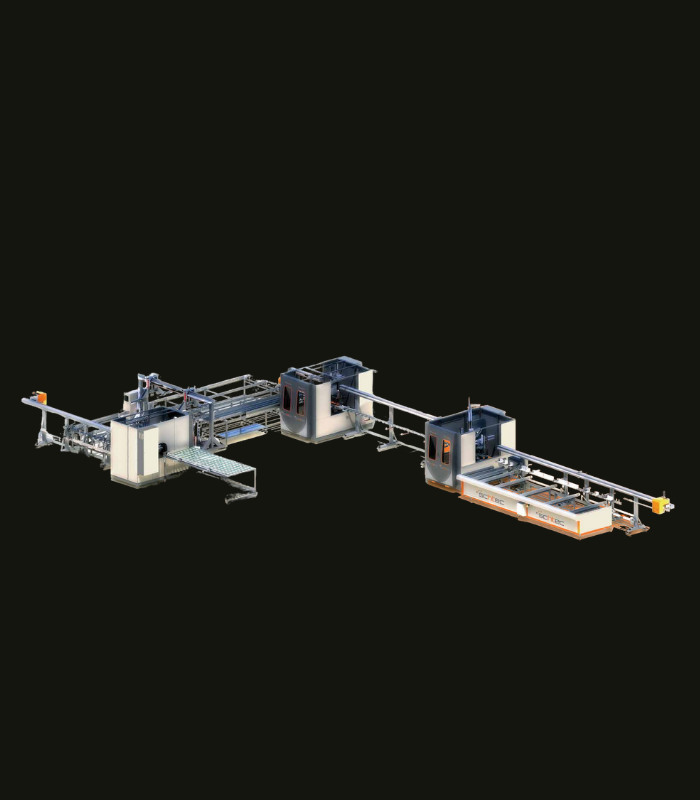
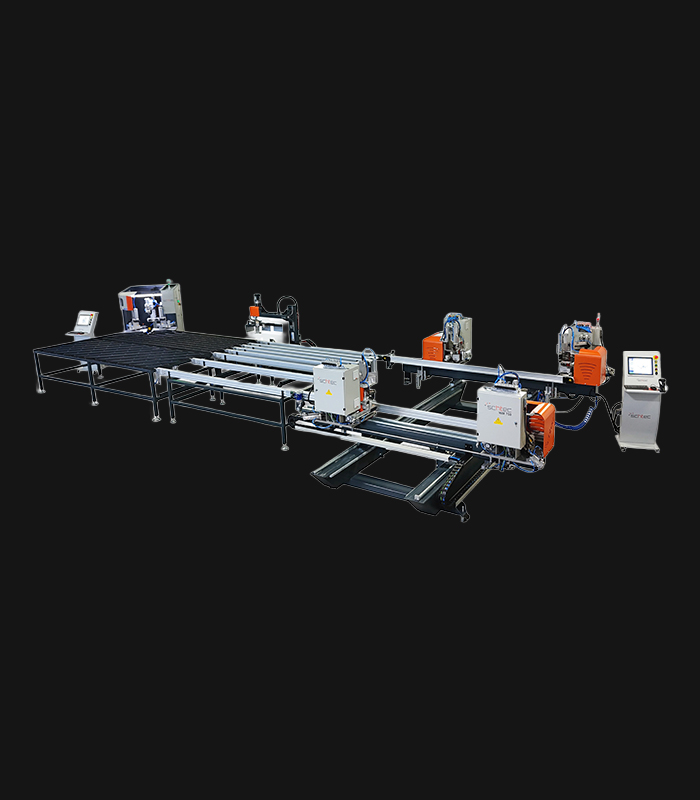
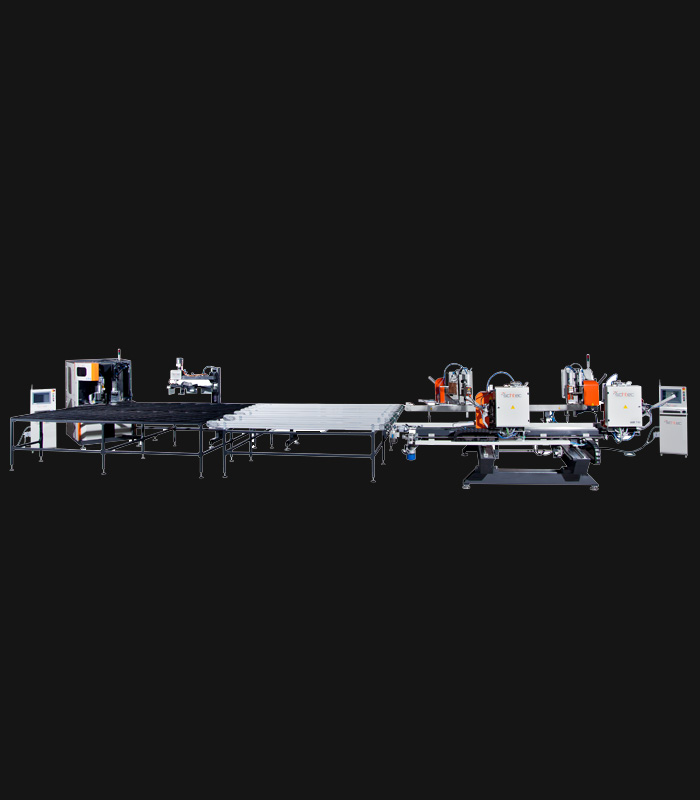
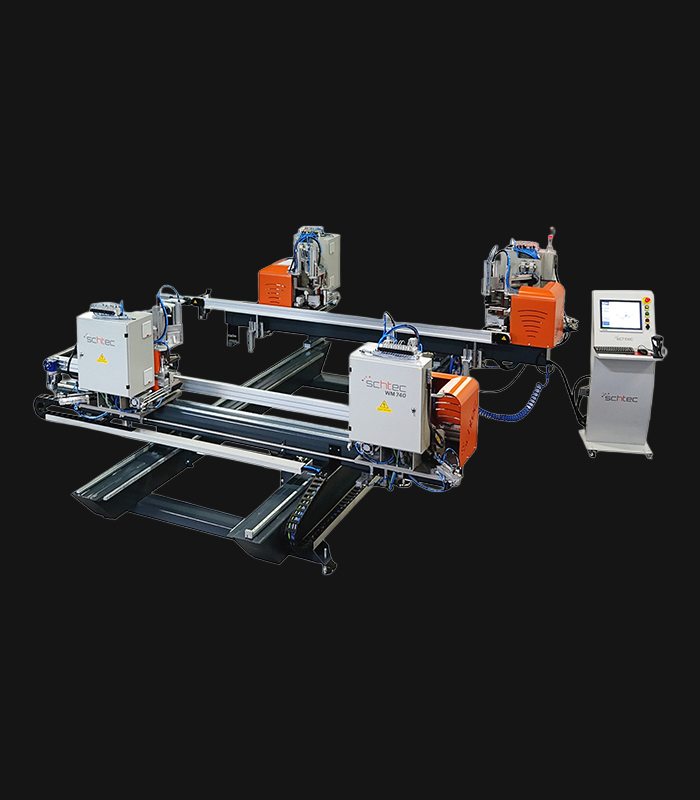
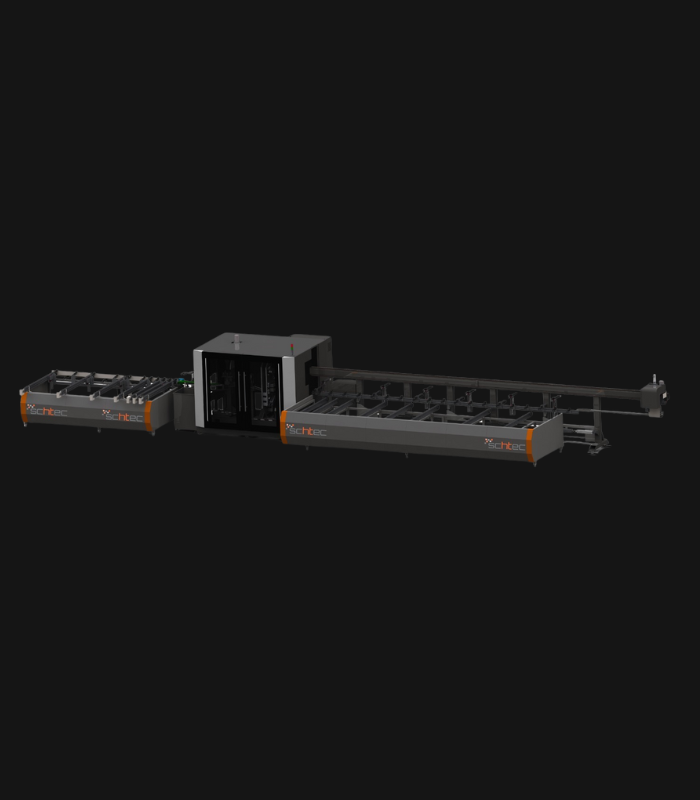
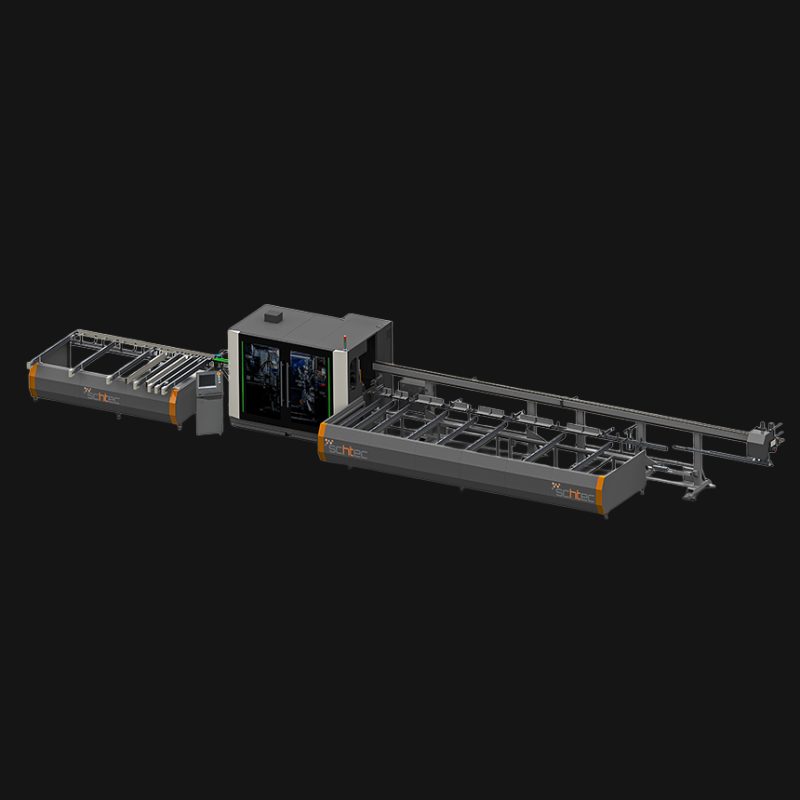
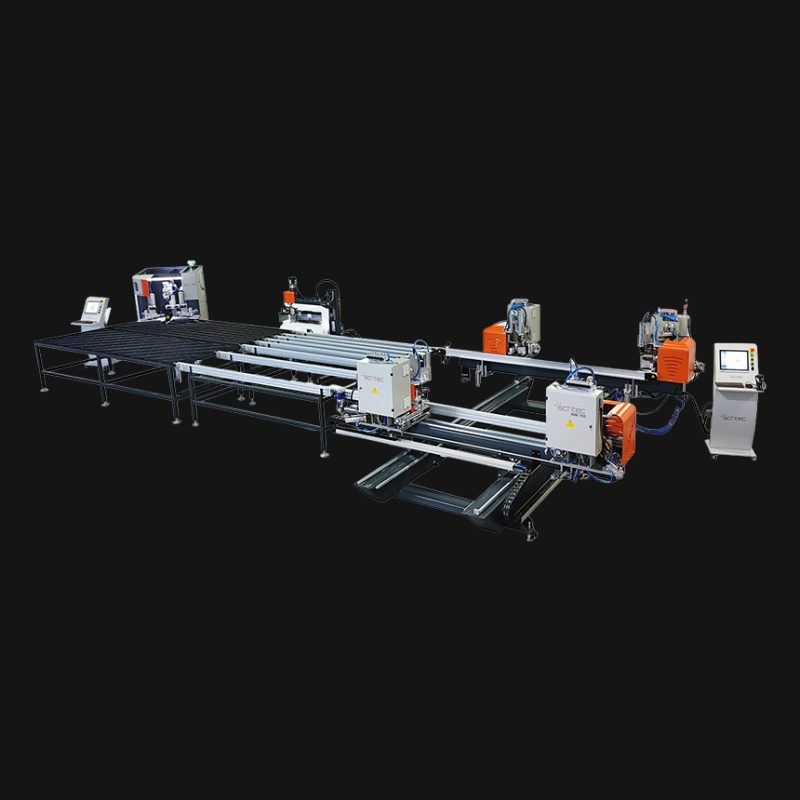
An integrated PVC window production line is designed as a complete manufacturing ecosystem. Instead of treating each process as a separate task, the entire workflow is optimized as a continuous sequence.
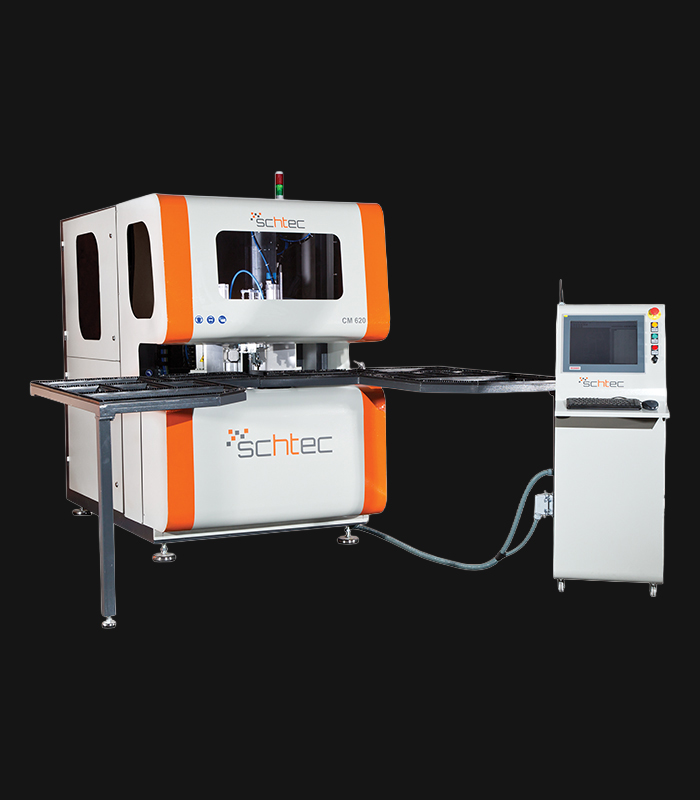
A typical integrated line includes:
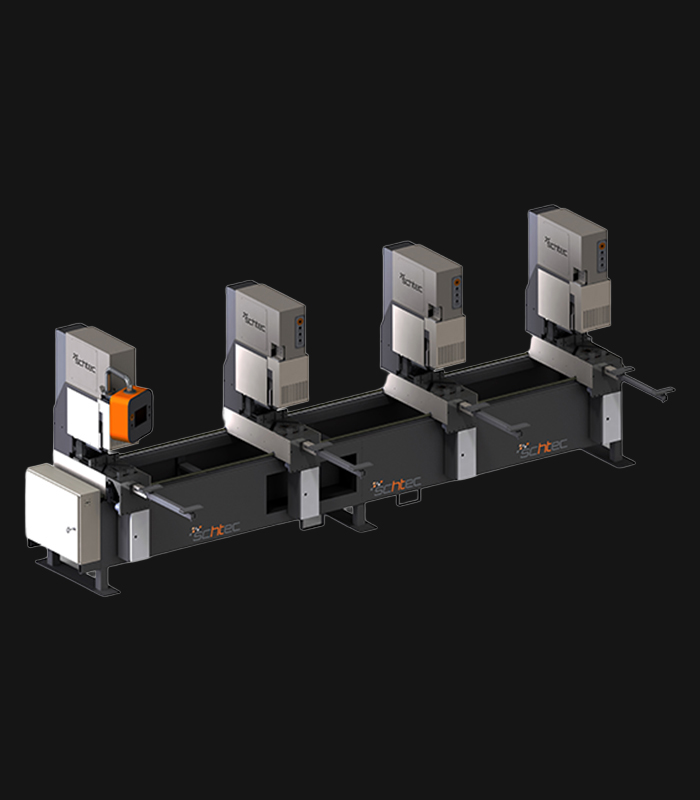
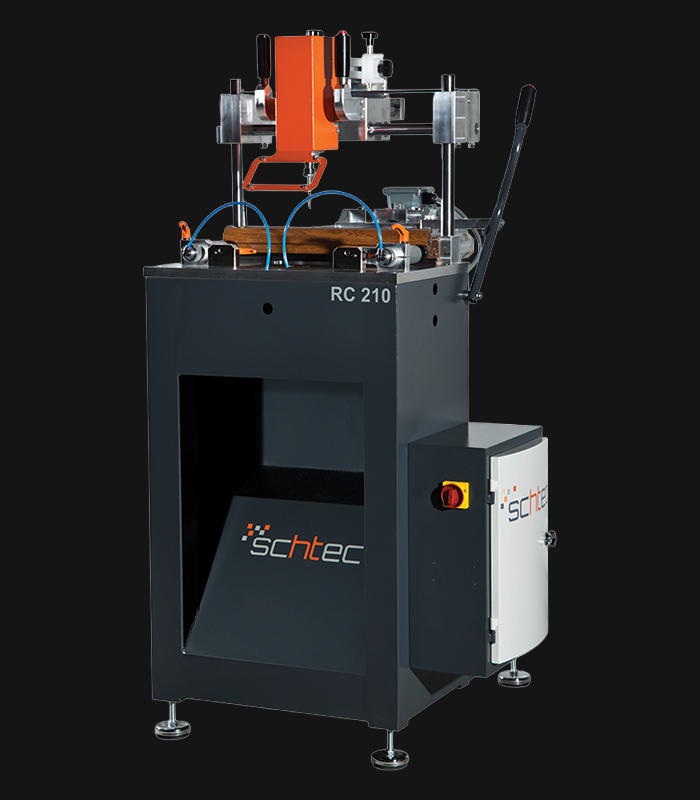
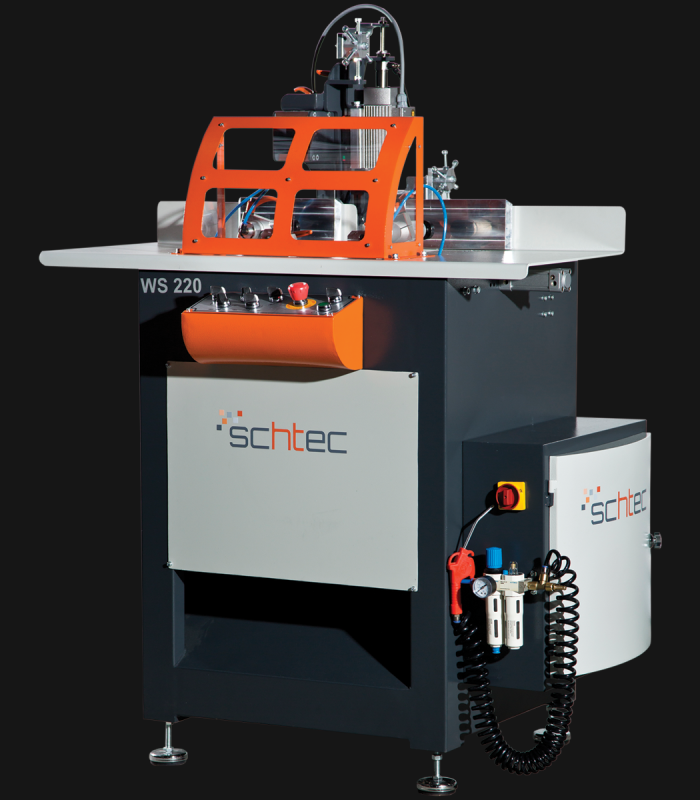
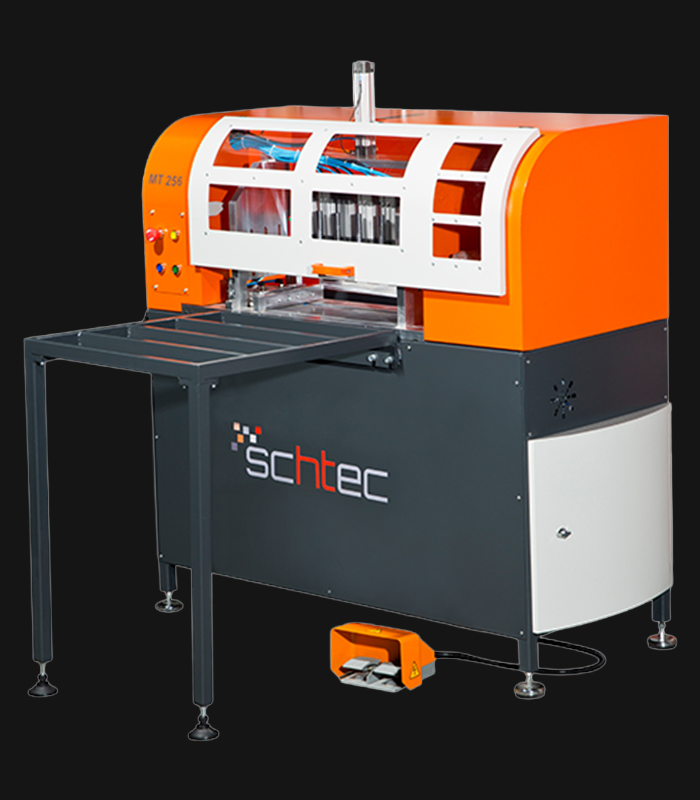
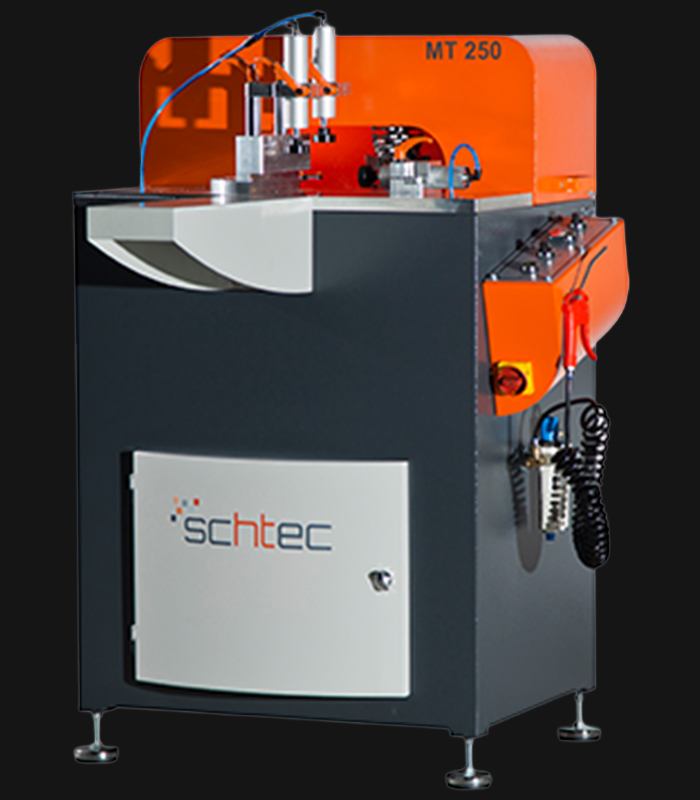
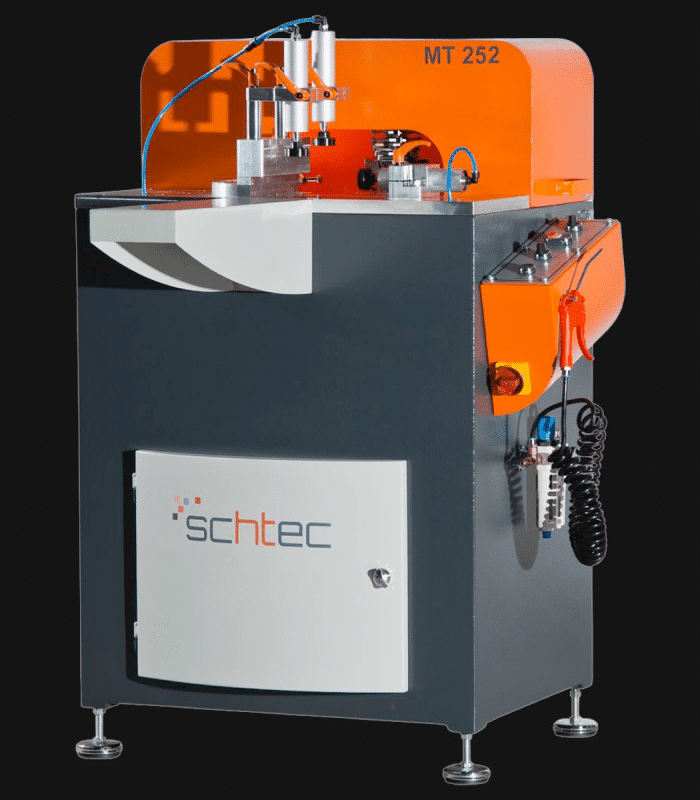
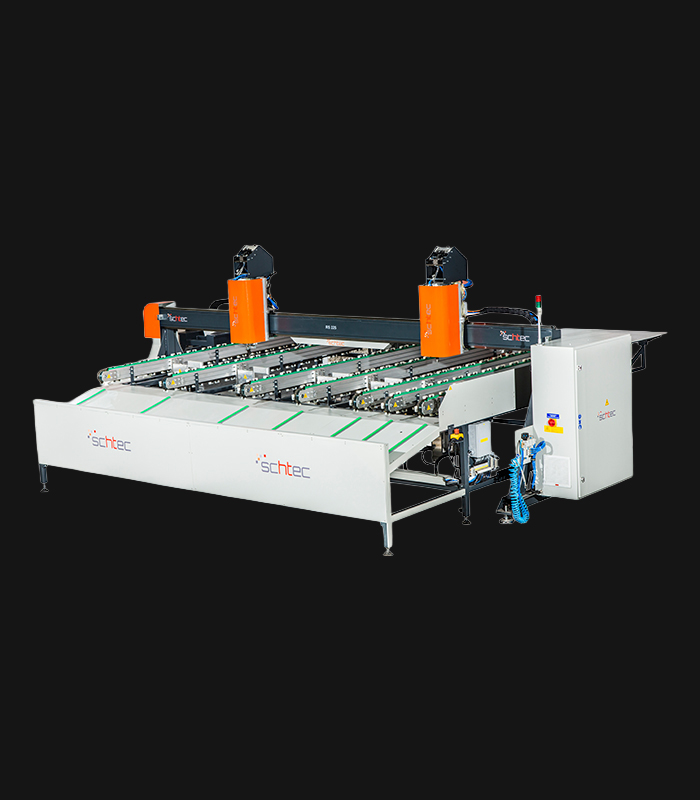
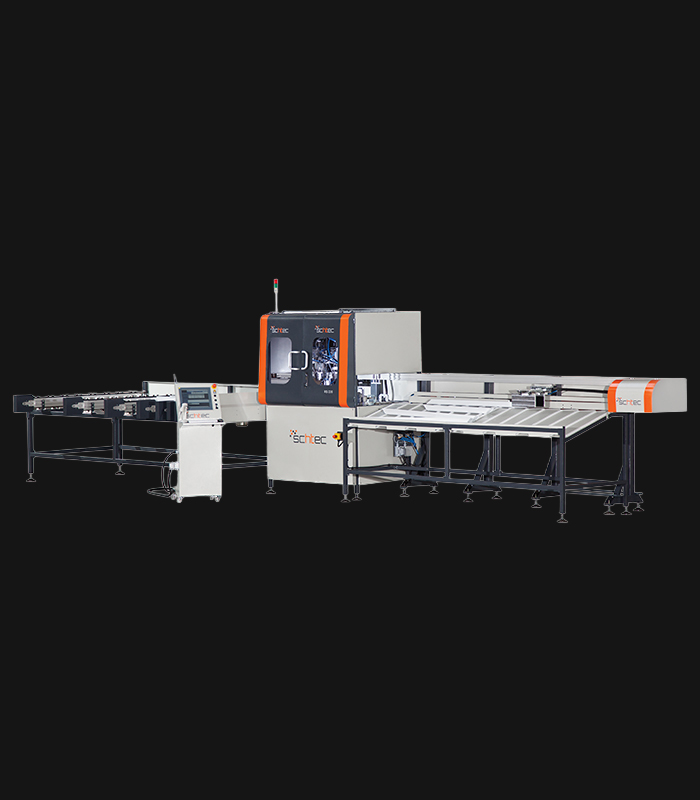
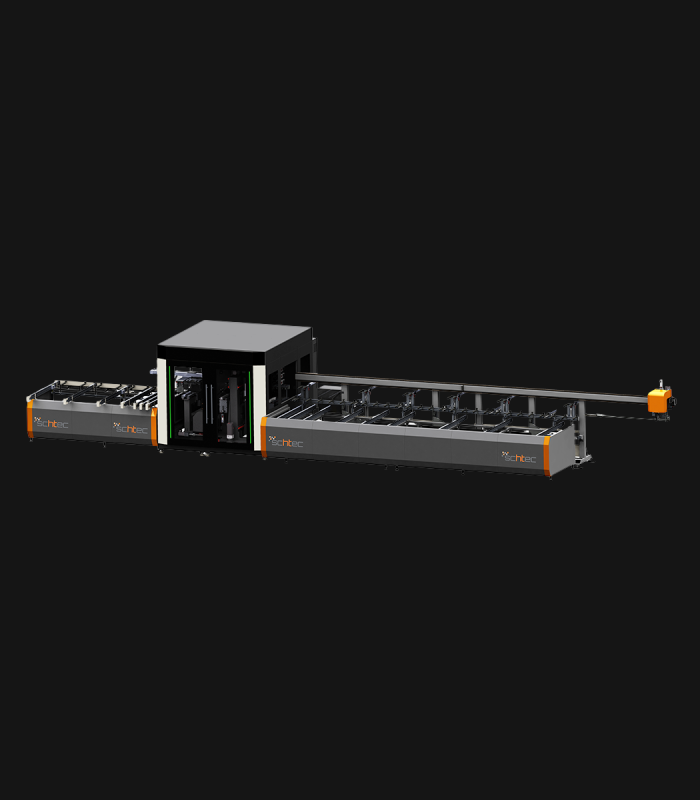
- PVC Processing Centers for cutting, drilling, milling, and marking in a single machining cycle
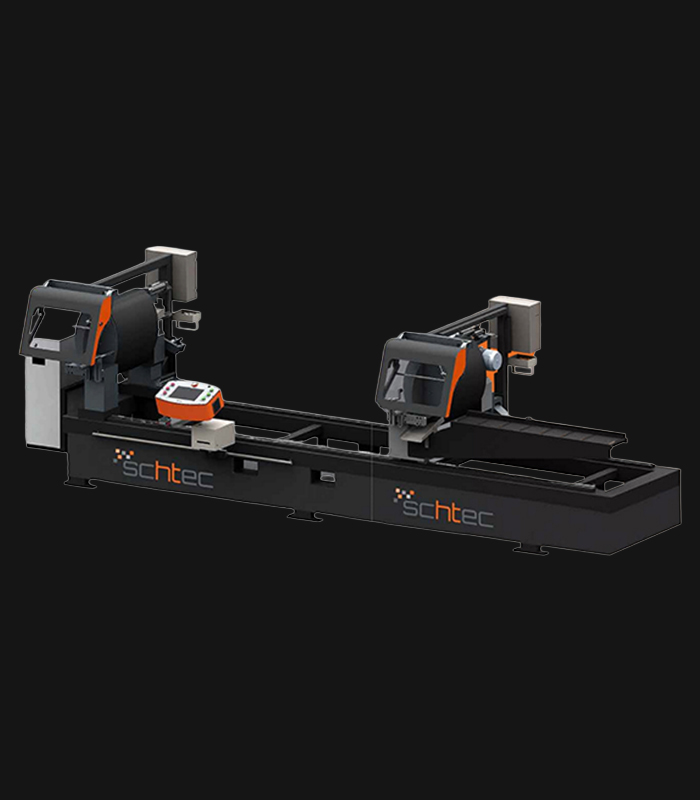
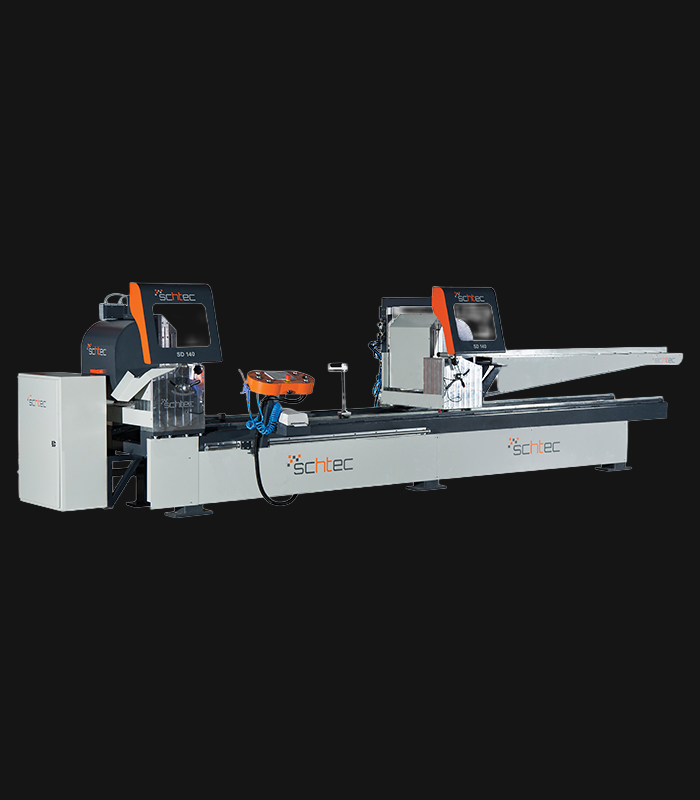
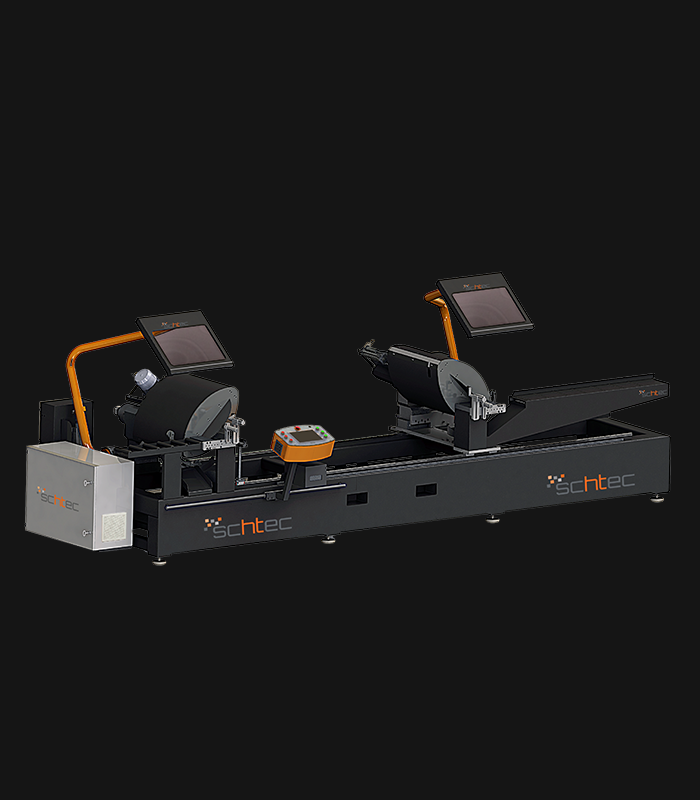
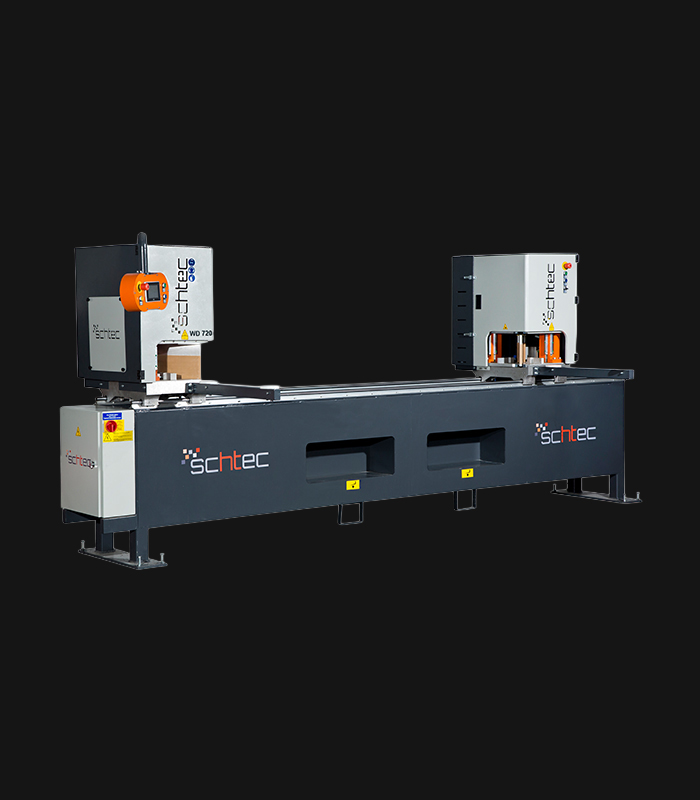
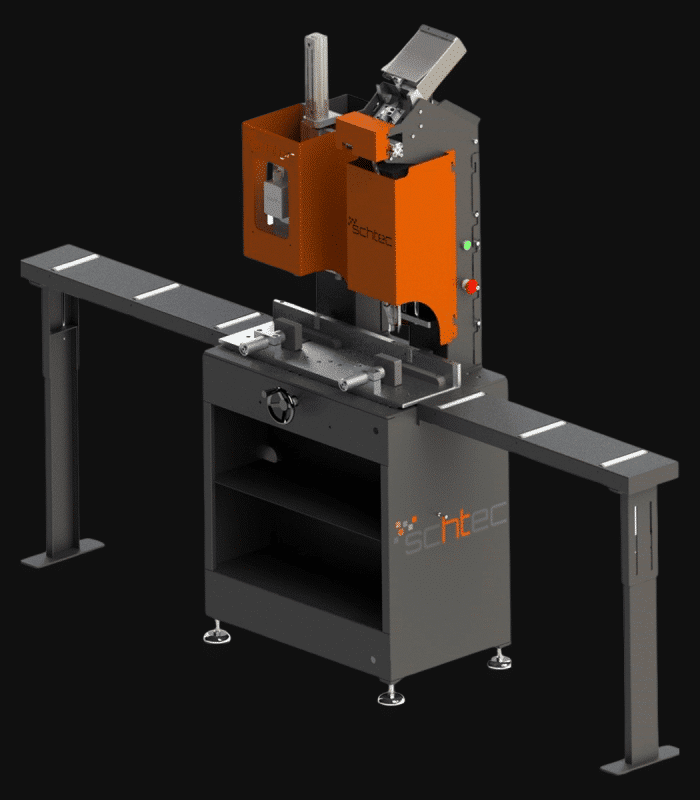
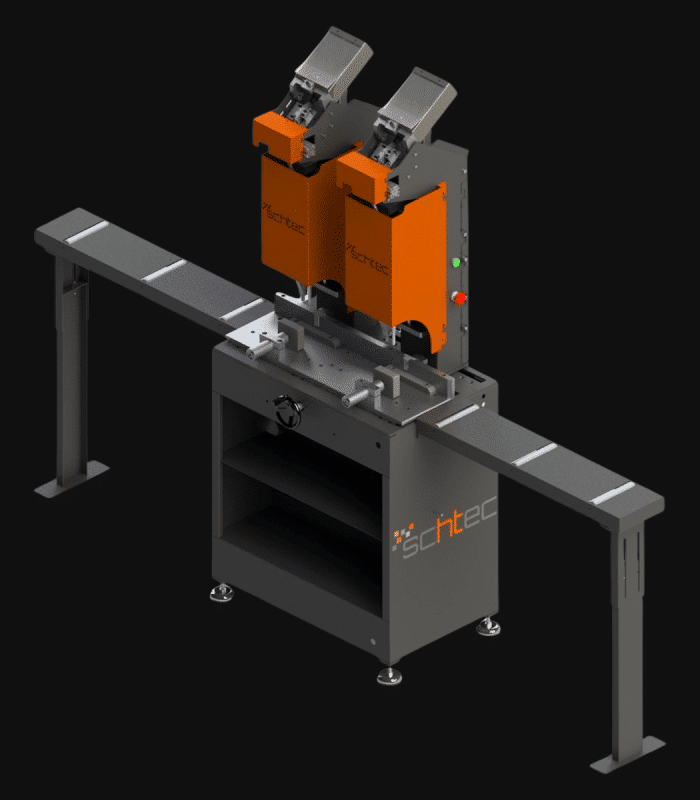
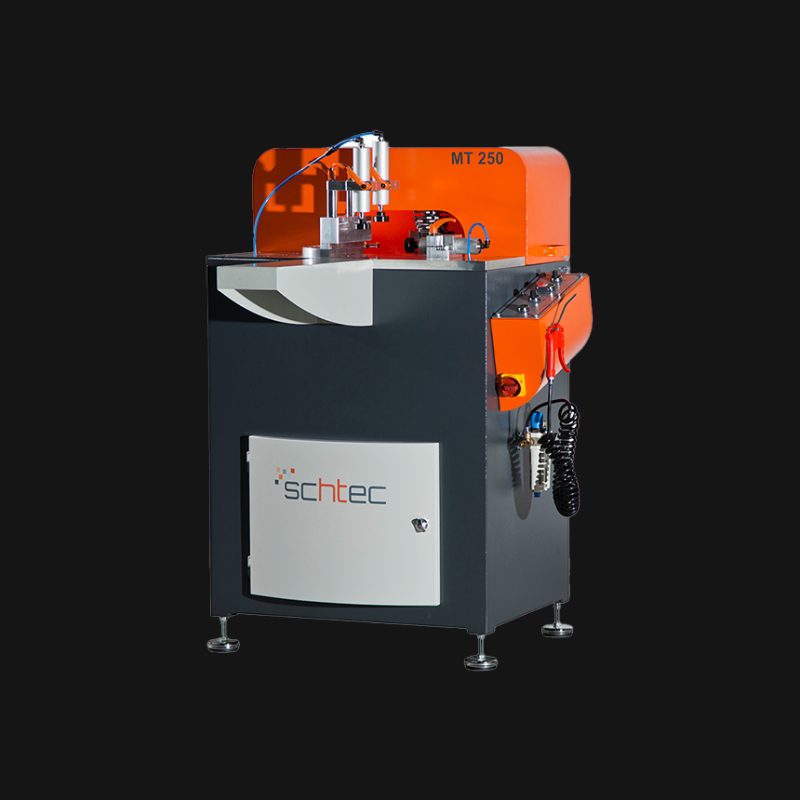
- Máquinas de Corte synchronized with digital production data
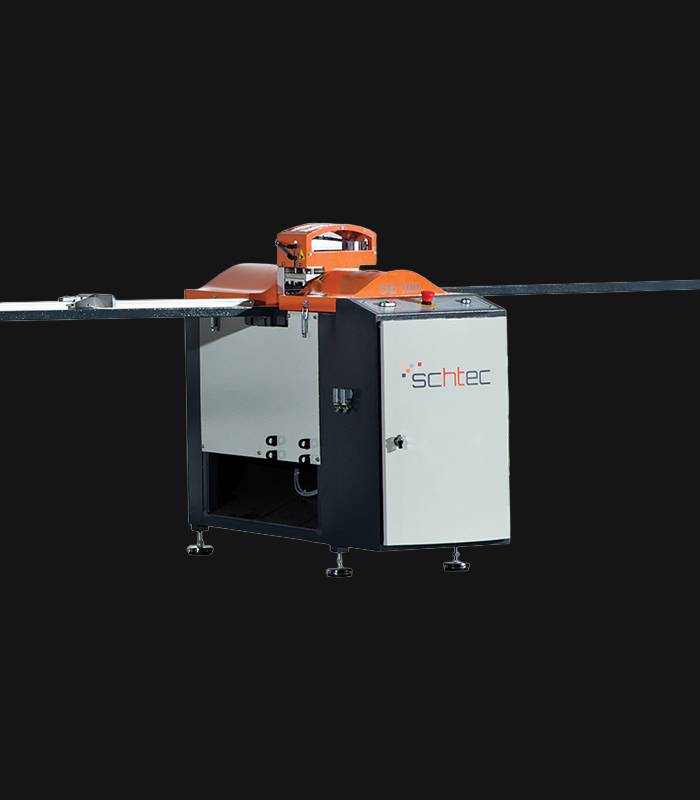
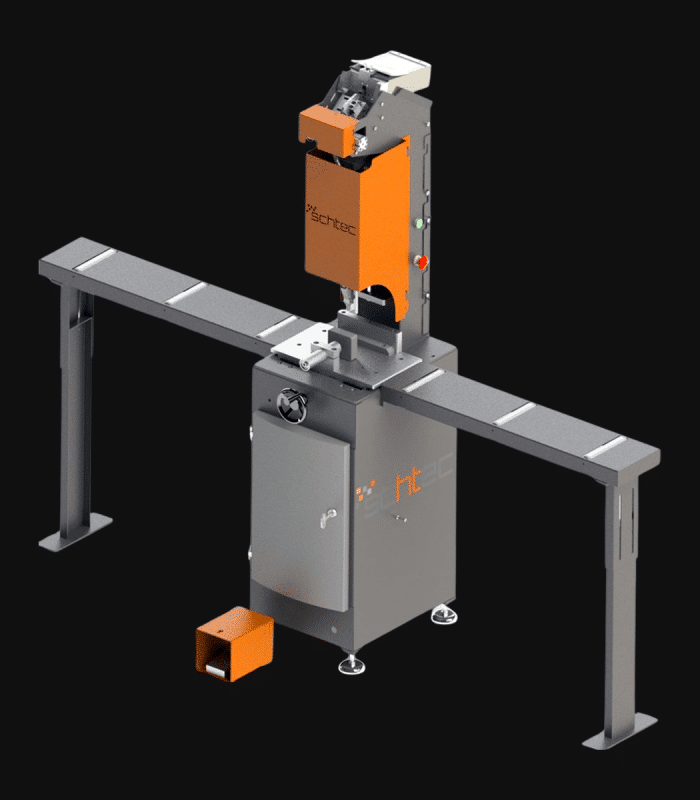
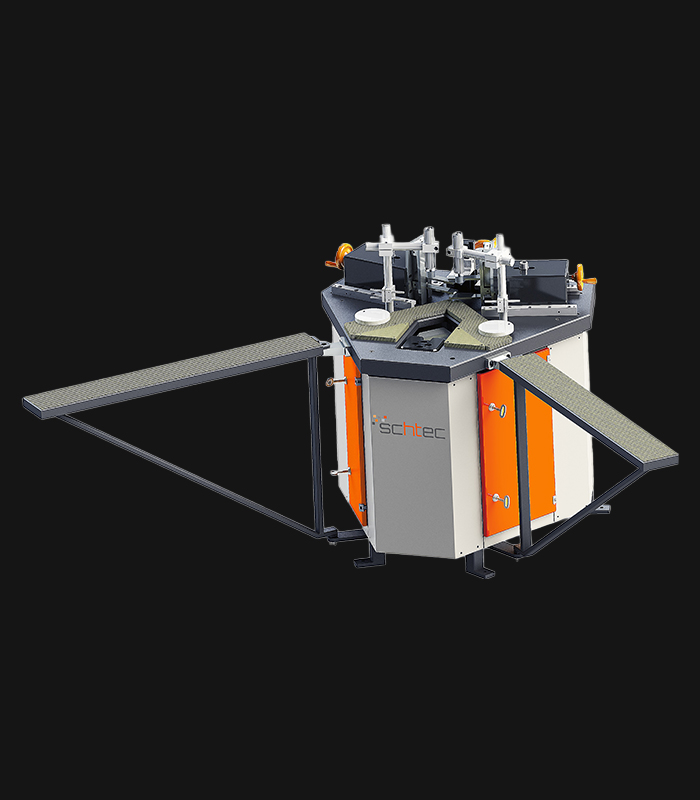
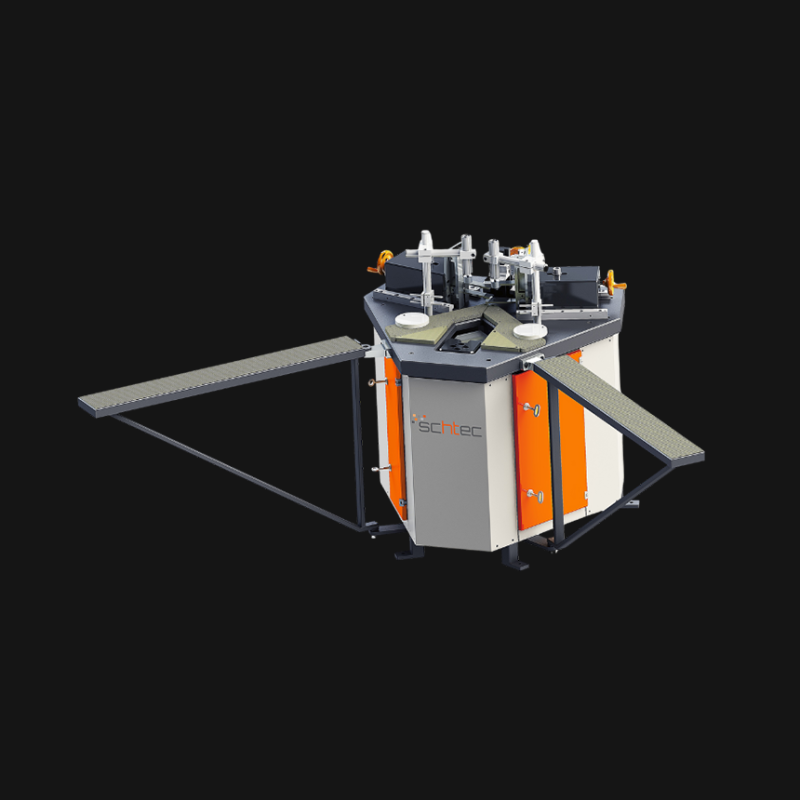
- Máquinas de Soldadura for structural frame assembly
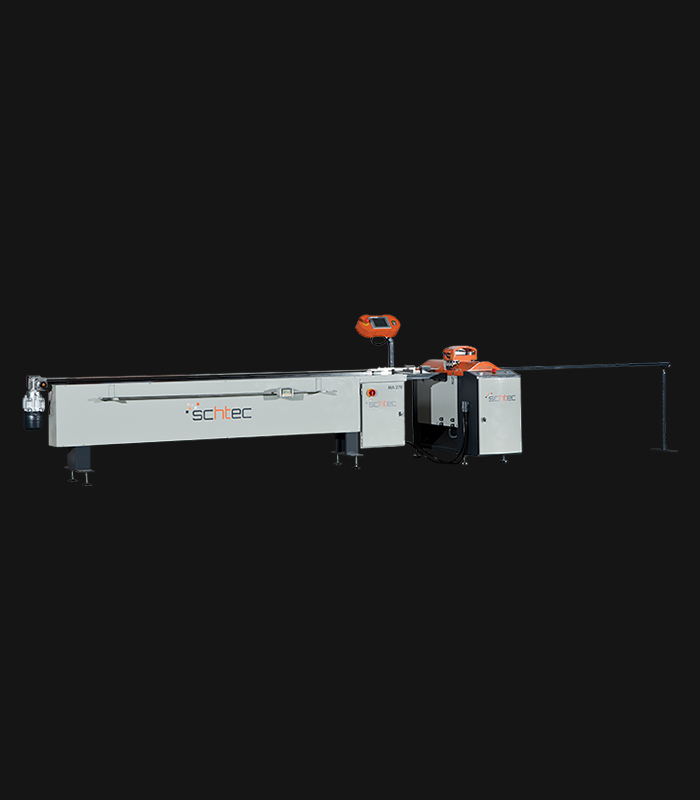
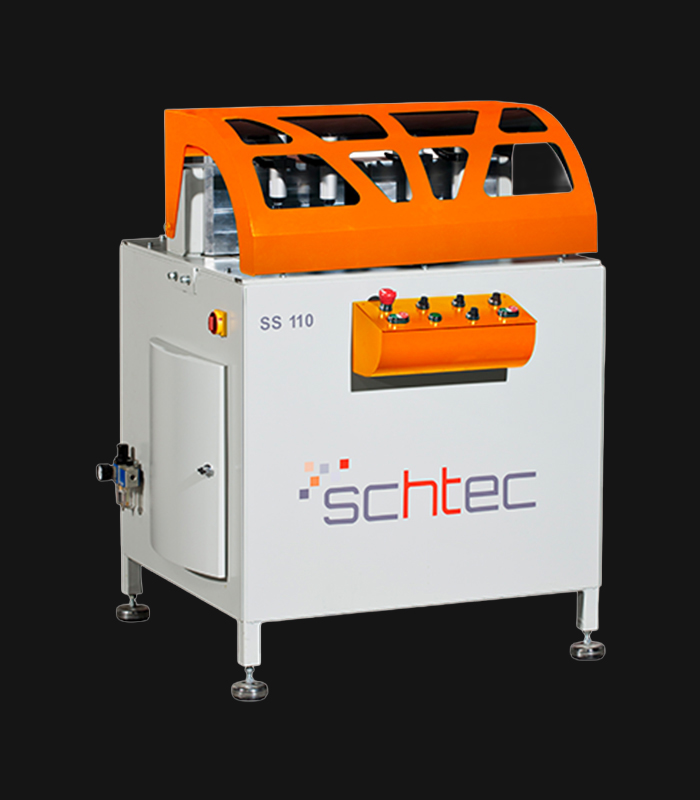
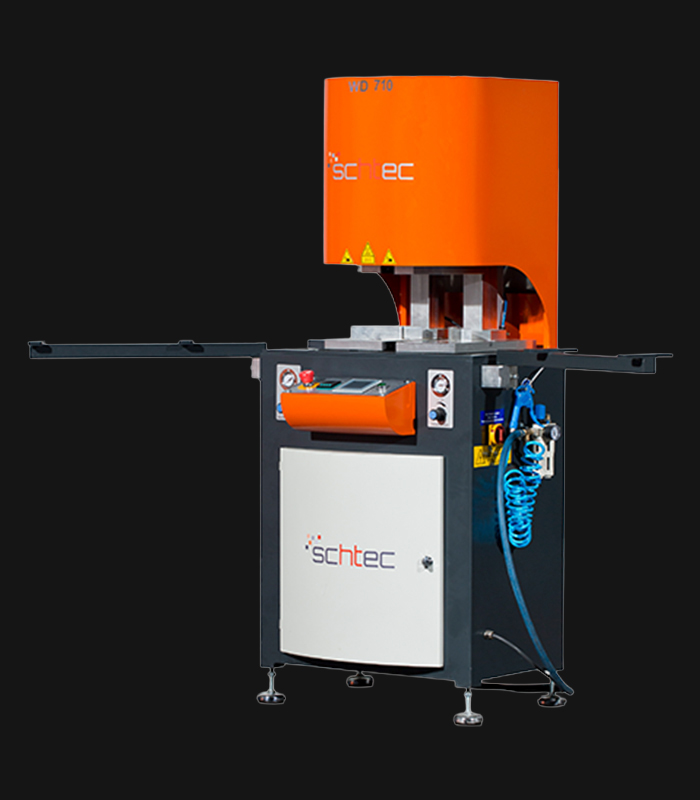
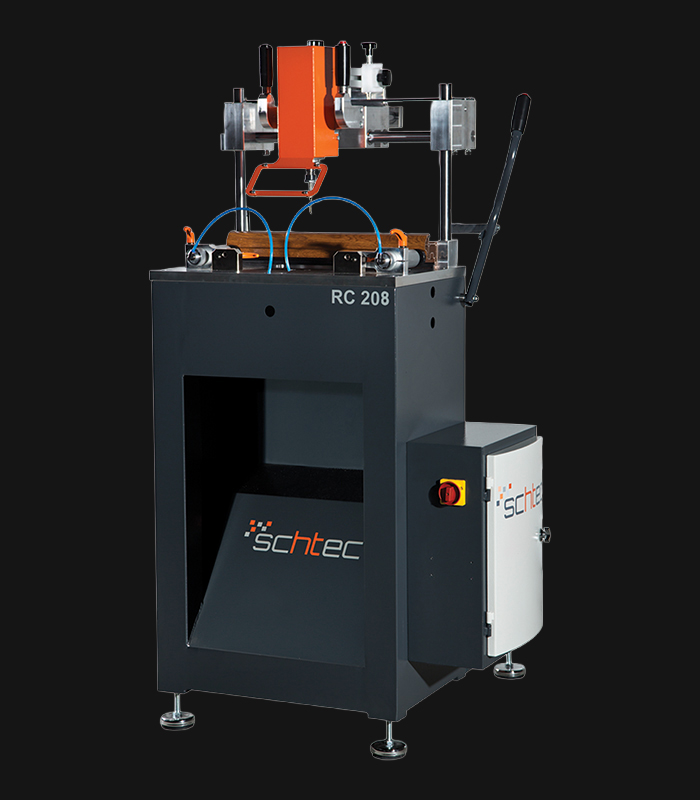
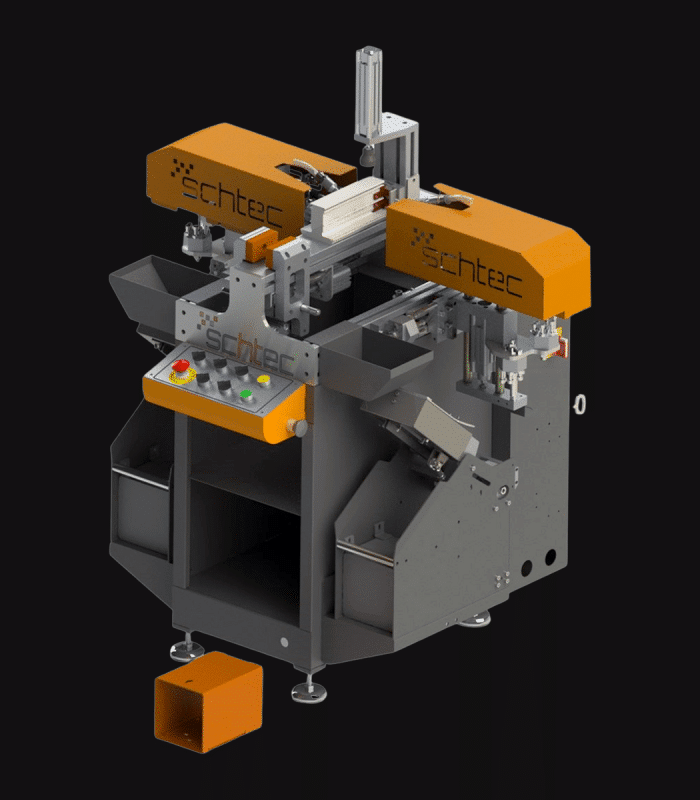
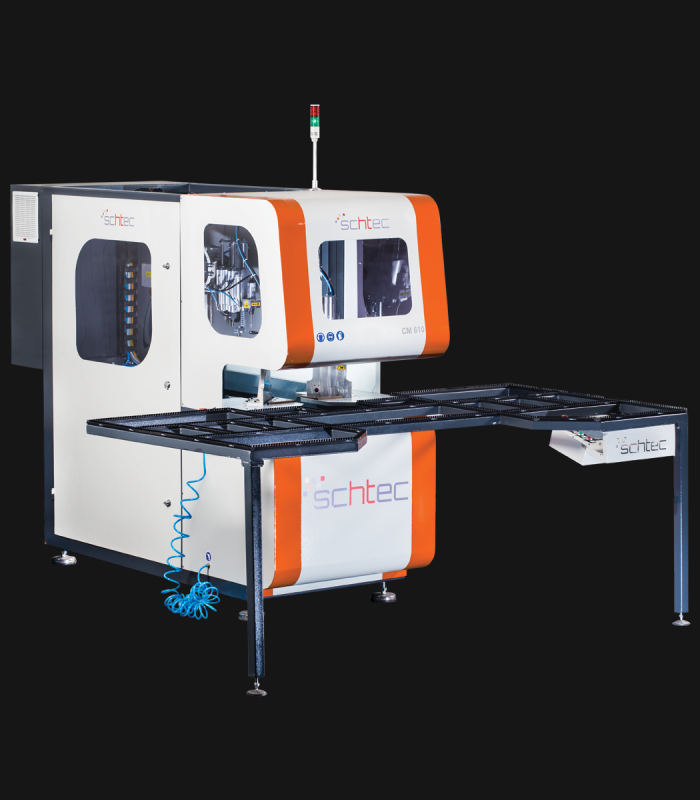
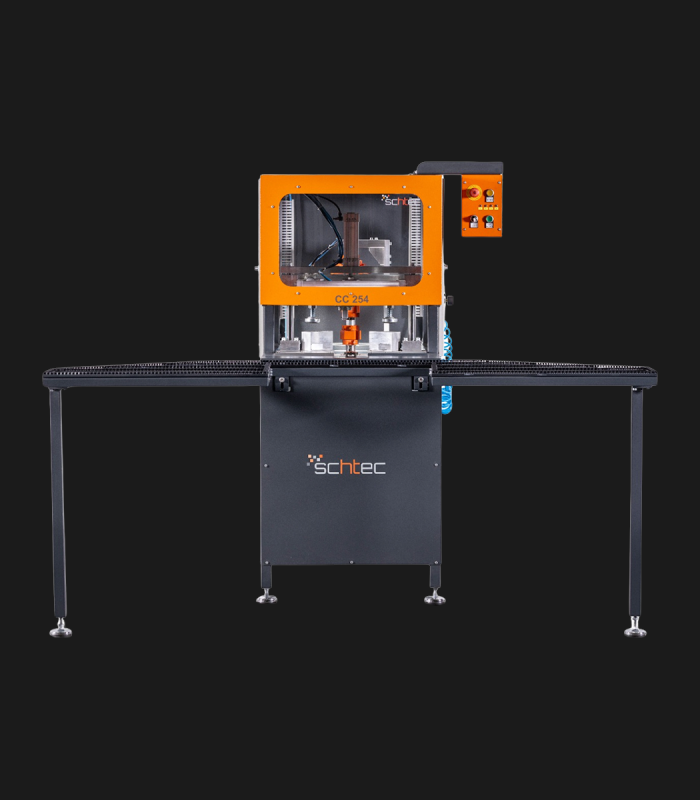
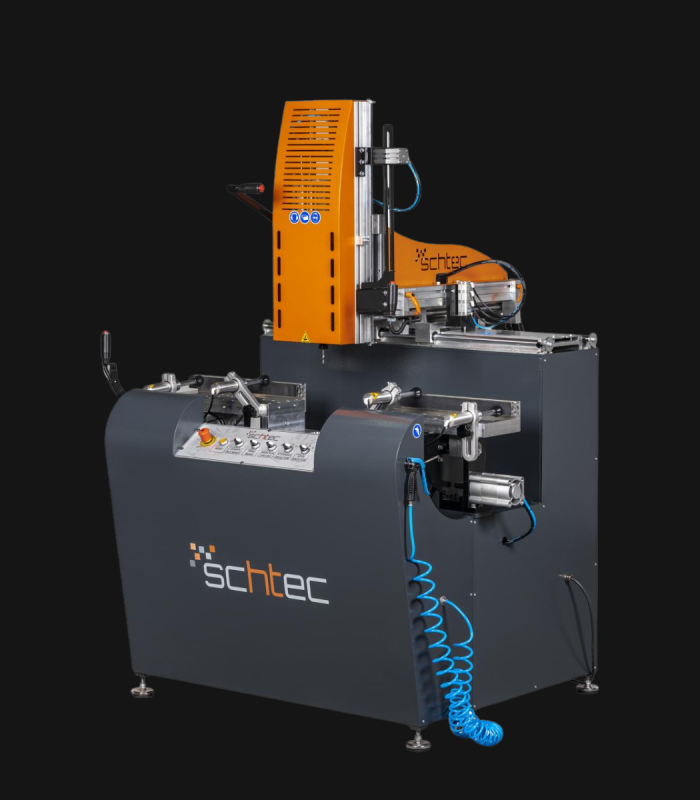
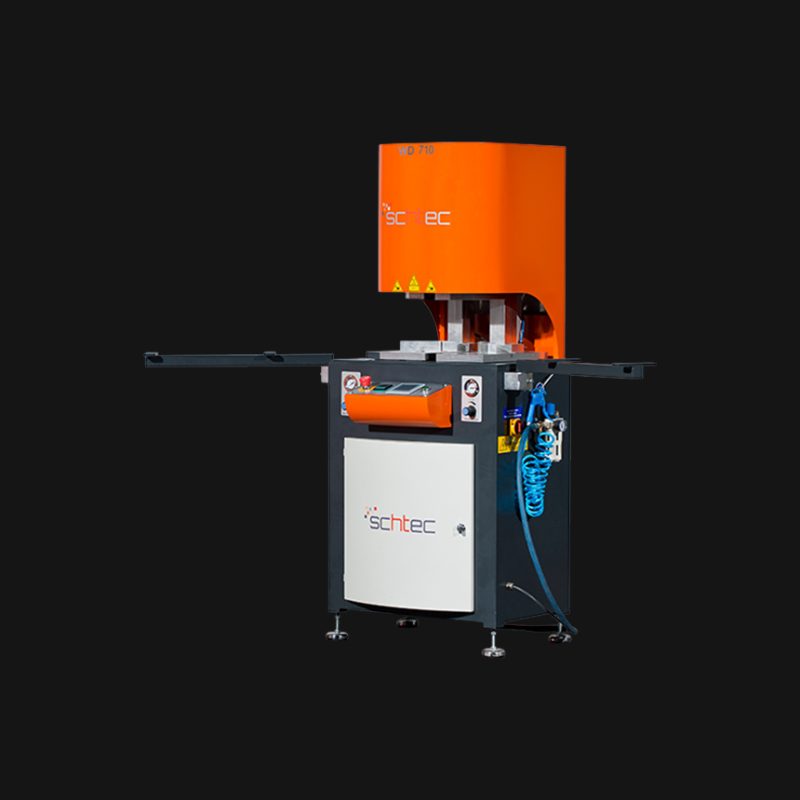
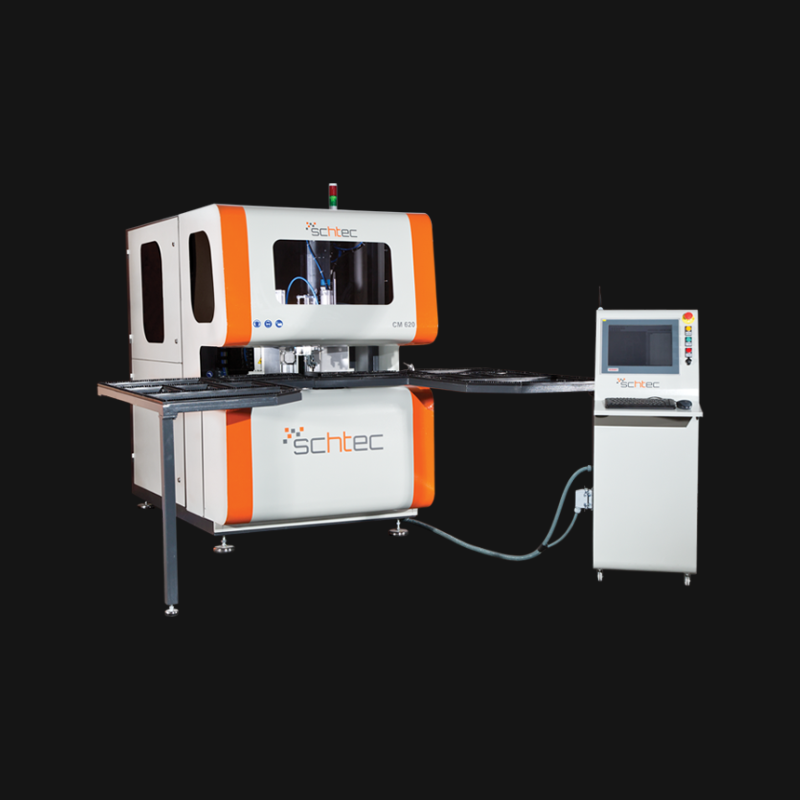
- CNC Corner Cleaning Machines for consistent post-weld finishing
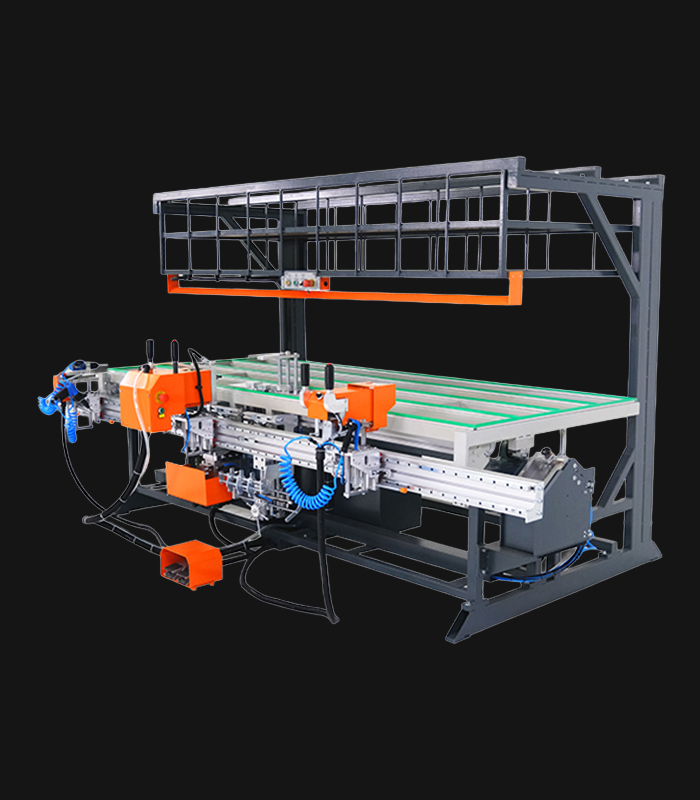
- Automated screwing, glazing, and final assembly stations
By designing the line as a unified system, profile machining and assembly steps flow without interruption, reducing idle time and handling traffic.
Machining Efficiency Through System-Based Design
Integrated production lines rely heavily on advanced machining concepts. Profile machining is no longer limited to isolated drilling or milling operations. Instead, machining centers execute multiple processes within one controlled environment.
This approach delivers:
- Consistent machining quality independent of operator skill
- Stable dimensional accuracy across large production batches
- Reduced setup time through digital parameter storage
- Predictable cycle times for industrial-scale production
For manufacturers involved in large-scale window production, this level of machining consistency is critical to meeting project specifications and deadlines.
Scalability and Investment Protection
One of the strongest advantages of integrated PVC window production machines is scalability. Manufacturers can begin with core machinery and expand toward fully automated production lines as demand grows.
Modular system architecture allows additional machining centers, welding units, or automated handling systems to be added without redesigning the entire line. This protects long-term investment value while supporting business growth.
From Workshop to Industrial Manufacturing
The transition from standalone machines to integrated PVC window production lines represents more than a technical upgrade. It marks a shift in manufacturing philosophy.
Instead of reacting to daily production challenges, manufacturers gain control over:
- Production capacity planning
- Quality standardization
- Labor efficiency
- Delivery reliability
With system-based industrial machinery, window production becomes predictable, scalable, and aligned with international manufacturing standards.
Conclusion
Modern window manufacturing demands more than individual machines working in isolation. Integrated PVC window production lines combine machining, welding, cleaning, and assembly into a single optimized system.
By investing in coordinated PVC production line machinery, manufacturers reduce manual dependency, eliminate bottlenecks, and build a foundation for long-term industrial growth.